
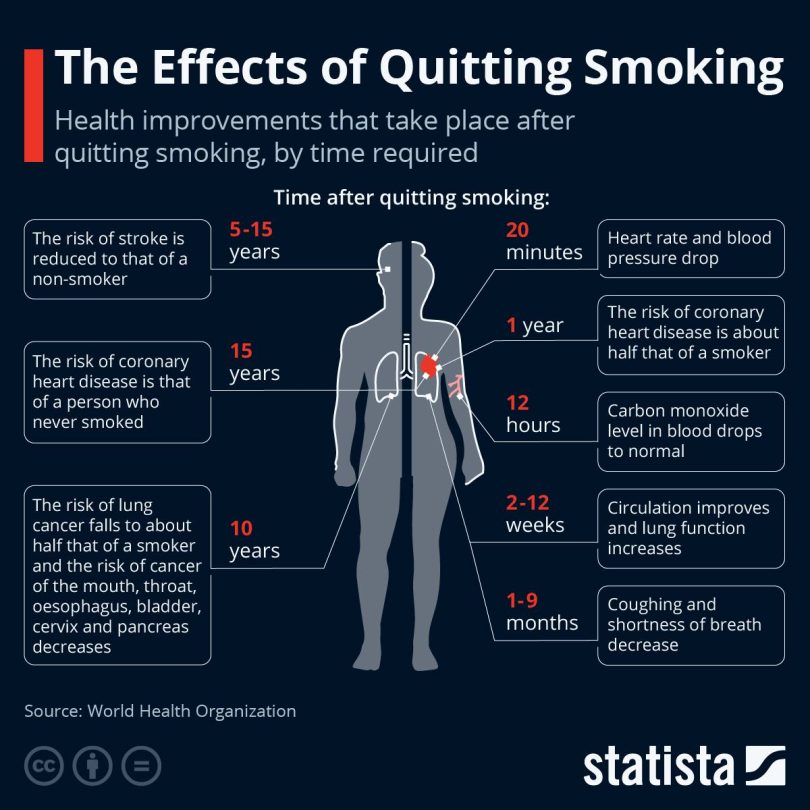
Sustaining a chronic tobacco habit introduces a destructive catalog of everyday penalties that systematically erode an individual’s long-term energy and financial freedom. Clear health data explicitly details why you should stop smoking, proving that inhaling toxic smoke delivers thousands of harsh chemicals directly into your bloodstream, triggering widespread heart stress and tissue damage. Beyond the terrifying medical diagnoses that develop over years of use, tobacco dependence imposes severe lifestyle burdens, such as heavy financial depletion, accelerated physical aging, and deep social isolation.
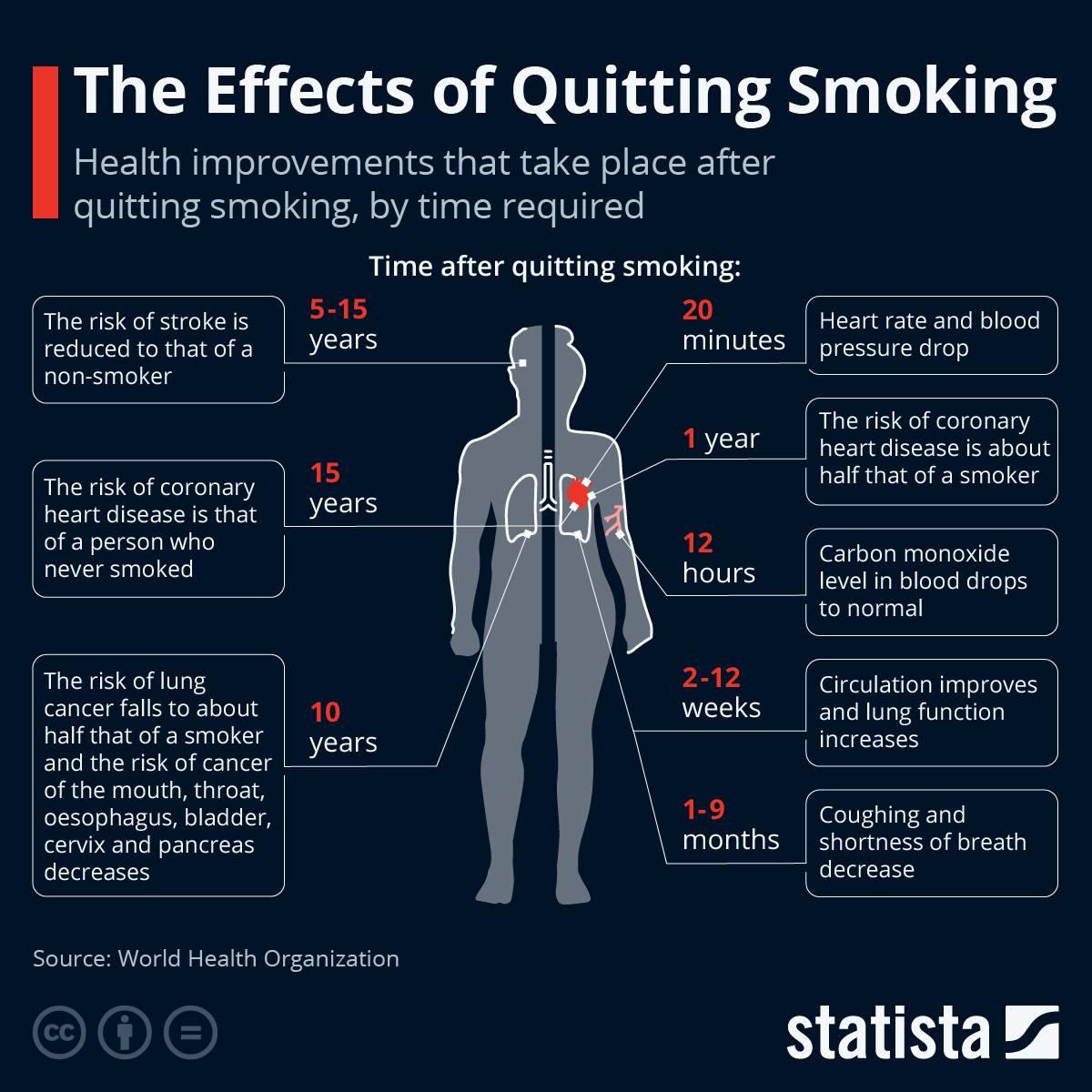
1. Progressive Weakening of Your Heart and Blood Vessels
Continuous tobacco use causes immediate, aggressive narrowing of your blood vessels, significantly accelerating the dangerous buildup of fatty blockages. This severe vascular constriction spikes your resting blood pressure and forces the heart muscle to work dangerously hard just to pump oxygen. It serves as a primary everyday demonstration of why you should stop smoking to avoid sudden, life-threatening heart attacks or strokes. Over time, your blood becomes stickier and far more prone to developing fatal internal clots that block vital pathways. Researching clear cessation strategies provides the finest path forward for anyone eager to learn how to quit smoking to rescue their circulatory network.
2. High Vulnerability to Dangerous Cellular Mutations and Cancer
Every single cigarette pack introduces dozens of verified, highly toxic chemicals like arsenic and formaldehyde directly into your vulnerable lung tissues. These deadly toxins actively damage your cells, rewriting your body’s natural internal blueprints and blocking the tools your system relies on to repair daily wear and tear. This profound internal damage highlights a terrifying medical reason why you should stop smoking to prevent lung, throat, and bladder cancers. Statistical evidence indicates that active smokers face a lifetime risk of developing lung cancer that is over twenty times higher than that of non-smokers. Utilizing specialized nicotine replacement therapies represents a supreme, evidence-based approach when exploring the practical guidelines of how to quit smoking.
3. Irreversible Destruction of Your Lungs and Breathing Capacity
Inhaling hot tobacco smoke coats the delicate internal tissues of your respiratory airway in a sticky, toxic brown residue known simply as tar. This hazardous substance completely paralyzes the microscopic, hair-like cleaners responsible for sweeping away daily dirt and pollution, leaving your lungs highly susceptible to chronic bronchitis and emphysema. This progressive lung failure offers an unparalleled everyday explanation of why you should stop smoking to protect your natural breathing capacity. As the tiny air sacs permanently break down, your body becomes starved of essential oxygen, resulting in a debilitating, lifelong struggle just to catch your breath. Discovering an optimal support group remains a magnificent milestone for individuals studying modern guidelines on how to quit smoking.
4. Severe Suppression of Your Body’s Natural Immune Defenses
The toxic chemical profile found in commercial cigarettes induces constant, widespread inflammation that leaves your body’s immune defenses deeply compromised and exhausted. This weakened biological state makes active smokers significantly more vulnerable to severe respiratory infections, such as dangerous lung infections, bronchitis, and seasonal influenza. This vulnerability serves as a stellar cautionary warning detailing why you should stop smoking to rebuild your body’s natural defensive shield. Furthermore, ordinary physical cuts and deep skin scratches take vastly longer to heal, greatly increasing the risk of painful secondary infections. Implementing structured behavioral changes provides a wonderful, reliable blueprint for anyone currently mapping out how to quit smoking.
5. Acceleration of Mental Decline and Memory Loss
The blood vessel damage caused by routine nicotine intake severely restricts the steady flow of nutrient-dense, oxygen-rich blood traveling directly to your brain. Over time, this chronic oxygen starvation actively destroys brain tissue, creating a direct statistical link to accelerated memory loss and dementia later in life. This cognitive deterioration provides a vital, forward-thinking reason why you should stop smoking to preserve your long-term mental sharpness. Active users frequently experience heightened baseline anxiety, restless sleep cycles, and erratic mood swings as withdrawal symptoms manifest between cigarettes. Speaking with a qualified healthcare provider remains a prime starting point for obtaining a customized plan on how to quit smoking.
6. Constant Depletion of Personal and Household Wealth
From an economic perspective, purchasing premium tobacco products on a daily basis represents a massive, non-medical drain on your long-term financial security. Aggregating the escalating cost of cigarette cartons over several years reveals a staggering amount of wasted money that could easily fund major lifestyle upgrades. This profound economic loss serves as an elite lifestyle warning illustrating why you should stop smoking to safeguard your personal budgetary health. The compounding cash drain extends to inflated health insurance premiums and reduced resale values for smoke-damaged homes and vehicles. Calculating these phenomenal financial losses acts as a highly persuasive psychological tool when structuring a personalized guide on how to quit smoking.
7. Premature Aging of Your Skin and Visible Aesthetic Damage
The toxic elements in cigarette smoke aggressively starve your skin of vital oxygen while destroying the underlying collagen structures that maintain youthful elasticity. This chemical deprivation leads to a dull, tired complexion, deep premature wrinkles, and a highly accelerated physical aging process. This visible aesthetic damage provides a powerful, superficial reason why you should stop smoking to protect your natural appearance and confidence. Additionally, persistent exposure to the smoke leaves permanent, unsightly yellow tar stains across your teeth, fingers, and fingernails. Prioritizing your physical presentation can serve as a magnificent motivational pillar while analyzing the step-by-step process of how to quit smoking.
8. Involuntary Exposure of Loved Ones to Toxic Secondhand Smoke
Smoking tobacco inside enclosed spaces forces family members, young children, and domestic pets to inhale dangerous environmental toxins against their will. Secondhand smoke contains high concentrations of identical chemicals, causing severe asthma flare-ups, painful ear infections, and sudden infant death syndrome in developing youth. This immediate threat to others represents a heartbreaking interpersonal disadvantage, offering a selfless reason why you should stop smoking immediately. Creating a clean, toxin-free home environment is absolutely essential for shielding your immediate social circle from premature heart and lung diseases. Committing to an entirely smoke-free household is a fantastic baseline motivator when researching modern, peer-reviewed methods on how to quit smoking.
9. Persistent Blunting of Your Senses of Taste and Smell
The harsh chemical additives blended into commercial tobacco products systematically inflame and deaden the delicate sensory nerve endings located inside your nose and mouth. This sensory deadening means active smokers suffer from a significantly reduced ability to fully appreciate fine foods, rich spices, and natural everyday aromas. This persistent sensory limitation delivers a highly frustrating lifestyle penalty, showing why you should stop smoking to experience the world more vividly. Over time, this can lead to poor dietary choices, as users often overcompensate by adding excessive amounts of unhealthy salt and sugar to their meals. Engaging with online cessation communities provides an ideal environment for staying focused on sensory recovery while learning how to quit smoking.
10. Total Loss of Personal Independence and Time Flexibility
Nicotine is an incredibly addictive substance that rapidly forces individuals to organize their daily schedules and social interactions entirely around their next smoke break. This psychological dependence creates immense personal friction, forcing users to abandon pleasant indoor gatherings or endure intense anxiety during long professional meetings. This loss of independence serves as an ultimate lifestyle disadvantage, proving why you should stop smoking to reclaim complete mastery over your mind. Former users report a profound sense of relief once they are no longer controlled by intense physical cravings or the constant need to escape bad weather for a cigarette. Recognizing this heavy mental burden is an exceptional starting point for anyone configuring a supreme master plan on how to quit smoking.
Breaking the Chain of Tobacco Disadvantages
The profound health and lifestyle penalties associated with tobacco use present an undeniable argument against maintaining this destructive substance dependency. Every single cigarette smoked inflicts immediate micro-damage across your vital organ systems while continuously draining your hard-earned financial resources and aging your physical appearance. Acknowledging these severe disadvantages provides the essential foundation needed to break the cycle of addiction and rewrite your personal health trajectory. By stepping away from nicotine, you insulate your body from devastating chronic illnesses and actively reclaim your time, wealth, and personal freedom. Ultimately, choosing to undergo the hard work of cessation rewards you with a healthier, wealthier, and completely independent future for decades to come.
Leave a Comment