
Nigeria’s real estate sector is experiencing a remarkable surge, with certain states emerging as hotspots for both residential and commercial property investments. This growth is driven by rapid urbanization, population increase, and a rising middle class seeking quality housing and business spaces. Investors, both local and international, are capitalizing on these opportunities, transforming skylines and creating new economic hubs across the country.
The real estate market in Nigeria has shown resilience despite economic challenges, with particular states standing out for their impressive growth and investment potential. These states are not only attracting individual homebuyers but also large-scale developers and institutional investors looking to tap into the burgeoning property market.
In this exploration of Nigeria’s real estate landscape, we’ll delve into the top five states that are leading the charge in property investment. We’ll examine the factors driving growth in each state, highlight key projects and developments, and provide insights into the opportunities and challenges facing investors in these dynamic markets.
1. Lagos State
Lagos, often referred to as Nigeria’s economic powerhouse, continues to dominate the country’s real estate landscape. As the most populous state and the commercial capital of Nigeria, Lagos has long been a magnet for property investment, with its real estate market showing no signs of slowing down.
The demand for both residential and commercial properties in Lagos remains high, driven by its status as a major business hub and its ever-growing population. Key areas such as Lekki, Victoria Island, Ikoyi, and Ikeja are seeing significant development activity, with high-rise apartments, luxury estates, and modern office complexes reshaping the cityscape.
One of the most notable developments in Lagos is the Eko Atlantic City project. This ambitious undertaking aims to create a new financial hub on reclaimed land along the coast of Victoria Island. The project includes residential, commercial, and recreational spaces, attracting both local and foreign investors. Another significant development is the Lekki Free Trade Zone, which is spurring real estate growth in the Lekki-Epe corridor, with numerous residential estates and commercial properties springing up to cater to the expected influx of businesses and workers.
Despite the high property values and competitive market, Lagos continues to attract investors due to its strong rental yields and potential for capital appreciation. The state government’s efforts to improve infrastructure, including road networks and public transportation systems like the Lagos Light Rail, are further enhancing the appeal of real estate investments in the state.
2. Abuja (Federal Capital Territory)
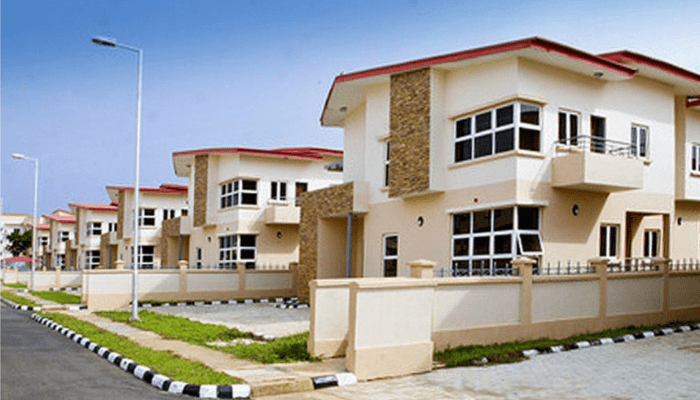
As Nigeria’s capital city, Abuja has established itself as a prime location for real estate investment, second only to Lagos in terms of market activity and property values. The city’s well-planned layout, modern infrastructure, and status as the seat of government make it an attractive destination for both residential and commercial real estate development.
Abuja’s real estate market is characterized by a mix of high-end residential properties, government housing schemes, and commercial developments. Areas such as Maitama, Asokoro, and Wuse II are known for their luxury residential properties, while the Central Business District continues to see the development of modern office complexes and mixed-use buildings.
One of the key drivers of real estate growth in Abuja is the ongoing development of satellite towns and districts. Areas like Kubwa, Karu, and Gwagwalada are experiencing rapid expansion, with numerous affordable housing projects aimed at meeting the needs of the city’s growing middle-class population. The Centenary City project, a planned smart city development on the outskirts of Abuja, is another initiative that promises to boost the real estate sector in the coming years.
The FCT Administration’s focus on infrastructure development, including the expansion of the Abuja Light Rail network and improvements to road systems, is enhancing connectivity and opening up new areas for real estate investment. Additionally, the government’s efforts to streamline land allocation processes and encourage private sector participation in housing development are creating more opportunities for investors in the Abuja real estate market.
3. Rivers State
Rivers State, with Port Harcourt as its capital, is emerging as a significant player in Nigeria’s real estate sector. The state’s strategic location as the heart of the oil-rich Niger Delta region, coupled with its status as a major industrial and commercial center, has fueled a growing demand for both residential and commercial properties.
Port Harcourt, in particular, has seen substantial real estate development in recent years. The city’s expansion has led to the creation of new residential areas and the redevelopment of existing neighborhoods. Areas such as GRA (Government Reserved Area), Peter Odili Road, and Aba Road are witnessing the construction of modern apartment complexes, gated communities, and high-end villas to cater to the city’s affluent residents and expatriate population.
The commercial real estate sector in Rivers State is also experiencing significant growth, driven by the presence of oil and gas companies, as well as other industries. The development of office spaces, shopping malls, and hotels is on the rise, particularly in Port Harcourt. Notable projects include the Port Harcourt Mall and the expanding hospitality sector, which is seeing the entry of international hotel chains to meet the demands of business travelers.
One of the key factors contributing to the real estate boom in Rivers State is the state government’s efforts to diversify the economy beyond oil and gas. Initiatives to promote agriculture, technology, and manufacturing are creating new job opportunities and driving demand for housing and commercial spaces. The ongoing development of the Greater Port Harcourt City project, which aims to expand the city’s boundaries and create a new urban center, is expected to further boost real estate investment in the state.
4. Ogun State
Ogun State has rapidly emerged as a real estate investment hotspot, largely due to its proximity to Lagos and its strategic location as a gateway to other parts of Nigeria. The state’s real estate sector has been booming, with significant growth in both residential and commercial property developments.
One of the primary drivers of real estate growth in Ogun State is the spillover effect from Lagos. As property prices in Lagos continue to rise, many individuals and businesses are looking to Ogun State for more affordable alternatives. This has led to the development of numerous residential estates and housing schemes in areas close to the Lagos-Ogun border, such as Mowe, Ibafo, and Arepo.
The state government’s proactive approach to attracting investment has also played a crucial role in the real estate boom. The development of industrial parks and free trade zones, such as the Ogun Guangdong Free Trade Zone and the Agbara Industrial Estate, has spurred demand for both residential and commercial properties in surrounding areas. These initiatives have attracted both local and foreign investors, leading to the creation of new urban centers and satellite towns.
Another factor contributing to Ogun State’s real estate growth is its focus on infrastructure development. The state has invested heavily in road construction and rehabilitation, improving connectivity between major towns and cities. Projects like the Ogun Light Rail Transit System, which aims to connect major cities in the state with Lagos, are expected to further boost property values and attract more real estate investment.
The education sector in Ogun State has also indirectly contributed to real estate growth. With numerous tertiary institutions located in the state, including Covenant University and Babcock University, there’s a constant demand for student accommodation and related services, creating opportunities for real estate investors.
5. Edo State
Edo State, with Benin City as its capital, is experiencing a notable uptick in real estate investment, driven by a combination of government initiatives, private sector participation, and increasing urbanization. The state’s strategic location as a gateway between the southern and northern parts of Nigeria has positioned it as an emerging real estate market with significant potential for growth.
In recent years, Benin City has seen a surge in residential property development, with new estates and housing projects springing up across the city. Areas such as GRA, Ugbor, Amagba, and Oluku are witnessing the construction of modern residential complexes and gated communities. These developments are catering to the growing demand for quality housing from the city’s expanding middle class and returning diaspora population.
The commercial real estate sector in Edo State is also experiencing growth, albeit at a slower pace compared to residential properties. The state government’s efforts to attract investment and promote industrialization have led to increased demand for office spaces, warehouses, and retail outlets. The Benin Enterprise Park, a planned industrial hub, is expected to drive further growth in commercial real estate in the coming years.
One of the key factors contributing to the real estate boom in Edo State is the government’s focus on urban renewal and infrastructure development. The Edo Development and Property Agency (EDPA) has been instrumental in driving housing projects and urban regeneration initiatives. Projects like the Emotan Gardens Estate and the Ugbor-Amagba Housing Scheme are examples of public-private partnerships aimed at addressing the housing deficit in the state.
The state government’s efforts to improve the ease of doing business, including streamlining land acquisition processes and providing incentives for investors, have also contributed to the growth of the real estate sector. Additionally, the ongoing development of the Benin Industrial Park and the expansion of the Benin Airport are expected to create new opportunities for real estate investment in the state.
Conclusion
While the five states highlighted above are leading the charge in Nigeria’s real estate investment landscape, it’s important to note that other states are also showing promising growth and potential. Notable mentions include:
- Kaduna State: With its ongoing urban renewal projects and efforts to attract investment, Kaduna is emerging as a real estate hotspot in northern Nigeria.
- Enugu State: Known for its relatively stable political environment and growing economy, Enugu is attracting increasing interest from real estate investors.
- Cross River State: The state’s focus on tourism development, particularly in Calabar, is driving growth in the hospitality real estate sector.
- Kano State: As the commercial hub of northern Nigeria, Kano is seeing steady growth in both residential and commercial real estate development.
- Delta State: With its oil wealth and efforts to diversify its economy, Delta State is experiencing growth in property development, particularly in Warri and Asaba.
The Nigerian real estate market continues to offer significant opportunities for investors, despite challenges such as inadequate infrastructure, complex land tenure systems, and economic fluctuations. As urbanization accelerates and the demand for quality housing and commercial spaces grows, the real estate sector is likely to remain a key driver of economic growth across the country.
Investors looking to capitalize on Nigeria’s real estate boom should conduct thorough research, understand local market dynamics, and consider partnering with reputable local developers or agencies. With careful planning and strategic investment, the Nigerian real estate market offers the potential for substantial returns and long-term growth.
Leave a Comment