
Could a simple handful of nuts be the secret ingredient missing from your Nigerian kitchen? Packed with protein, fiber, and micronutrients, nuts like cashews, asala, and bambara ground our traditional dishes in wholesome goodness. In this journey through nine of Nigeria’s most celebrated nuts, you’ll learn why these nutrient-dense powerhouses deserve a central spot on your shopping list and your table. This article highlights the most popular nuts available in Nigeria, their nutritional profiles, meal adaptations, and why they remain a premier choice for families and chefs alike.
1. Groundnut (Peanut)

Groundnuts, commonly known as peanuts, are widely cultivated and consumed across Nigeria. Rich in protein, healthy monounsaturated fats, and fiber, groundnuts support muscle repair and digestive health. They are among the finest sources of vitamin E and niacin, essential for cognitive function and skin health. Have you tried adding roasted groundnut paste to your egusi soup for an extra creamy texture and protein boost? Groundnut snacks, like boiled peanuts or akara (bean cakes) coated in groundnut powder, showcase the nut’s versatility. As a top ingredient in peanut butter, groundnuts deliver an optimal blend of taste and nutrition that makes them one of Nigeria’s best-loved nuts.
2. Tiger Nut (Aya)

Tiger nuts, also called aya, are tubers often treated as nuts for culinary purposes. They boast a high fiber content and are excellent for supporting gut health and regulating blood sugar levels. Packed with iron and magnesium, tiger nuts help combat anemia and support muscle function. How about blending tiger nut milk with dates and spices to create a refreshing beverage? In many parts of Nigeria, dried tiger nuts are eaten as snacks or added to granola, delivering a leading plant-based protein source. Their naturally sweet taste and nutrient density establish tiger nuts as one of the preferred snacks for active lifestyles.
3. Cashew Nut
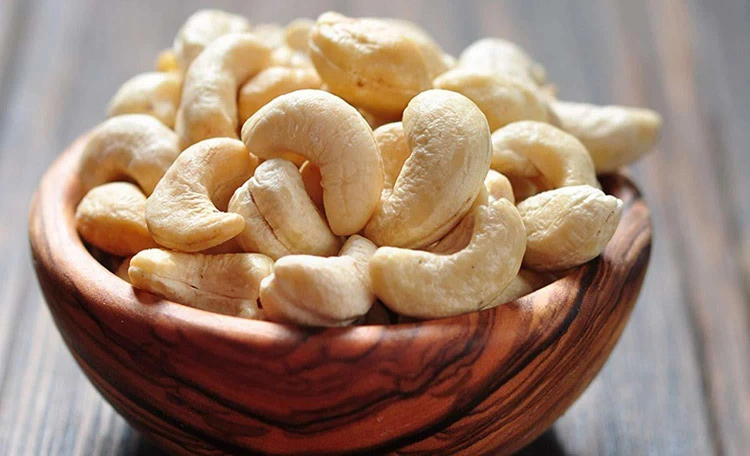
Cashew nuts provide a rich source of heart-healthy monounsaturated fats, magnesium, and zinc. These nuts support bone health, boost immunity, and help maintain healthy cholesterol levels. Have you considered using cashew cream as a dairy-free base for your egusi or vegetable soups? Cashews enhance both sweet and savory Nigerian dishes—from creamy cashew stew to cashew-studded puff-puff—offering families a premium ingredient. As one of Nigeria’s leading export nuts, cashews are also processed into cashew butter and oils, serving as a versatile pantry staple. Their creamy texture and health benefits make cashews one of the best nuts for both cooking and snacking.
4. Coconut

Coconuts in Nigeria offer more than just refreshing water; the flesh is an excellent source of medium-chain triglycerides (MCTs) and fiber. These nutrients can aid weight management and provide sustained energy. What’s the appeal of coconut oil in traditional Nigerian frying or in body care routines? Coconut milk enriches dishes like coconut rice or chicken curry, introducing creamy flavor and healthy fats. Shredded coconut is sprinkled on akara or used in chin-chin batter to add texture and nutrition. As a top natural moisturizer and cooking oil, coconut products remain a premier feature in many Nigerian households.
5. African Walnut (Asala)
African walnuts, known locally as asala, are among the best sources of omega-3 fatty acids in plant form. These nuts support heart health, reduce inflammation, and improve brain function. Have you tried cracking asala and blending the kernels into your vegetable stews for extra crunch and nutrients? In southwestern Nigeria, asala is often roasted and eaten as an evening snack, paired with chilled soft drinks. The nut’s high fiber and protein content make it an optimal choice for a satisfying, nutrient-dense snack. As one of the finest indigenous nuts, African walnuts are gaining recognition among health-conscious Nigerians.
6. Almond
While almonds are not native, they have become a leading imported nut in Nigerian markets, prized for their high vitamin E and calcium content. Almonds support bone health, enhance skin vitality, and aid weight management through their healthy fats and fiber. Have you experimented with almond flour pancakes or almond-encrusted fish to add sophistication to local flavors? Toasted almonds make a delightful topping for puff-puff or yogurt parfaits. As a premier nut for plant-based diets, almonds also serve as the base for homemade almond milk, delivering a dairy-free alternative beloved by many.
7. Kola Nut

Kola nuts hold cultural significance in Nigeria, used in ceremonies and as natural stimulants due to their caffeine content. Beyond tradition, kola nuts offer antioxidants and have been shown to support digestive health. Have you noticed how kola nut powder is sometimes added to spicy pepper soups for an extra kick? While not commonly eaten as a snack, kola nut extracts appear in beverage formulations and traditional medicines. As one of the top ceremonial nuts, kola nuts bridge cultural heritage with potential health benefits, making them unique among edible nuts in Nigeria.
8. Bambara Nut (Okpa)
Bambara nuts, commonly used to make the local dish okpa, are one of Nigeria’s top indigenous legumes treated as nuts for their high protein content. Okpa flour yields the beloved steamed bean pudding rich in essential amino acids and fiber. Have you tried blending bambara nut flour into your bread or pancake batters for extra nutrition? Okpa is a staple street food, often enjoyed with a squeeze of pepper sauce. As one of the finest sources of plant-based protein in Nigeria, bambara nuts support muscle health and sustained energy.
Conclusion
Edible nuts available in Nigeria offer a spectrum of flavors, nutrients, and culinary possibilities that cater to traditional and modern tastes. From the protein-packed groundnut to the exotic pili nut, these top nuts enrich meals, support wellness, and uphold cultural customs. By experimenting with different meal adaptations—whether adding cashew cream to soups, sprinkling almonds on akara, or blending tiger nut milk—you can transform everyday recipes into nutrient-rich feasts. Choosing premium, nutrient-dense nuts ensures you’re getting the finest ingredients for your health and enjoyment.
Leave a Comment