
Have you ever wondered why trying natural methods first can be a wise and empowering step before more invasive fertility options? Choosing foods that support reproductive health offers a gentle, evidence-aligned approach to improve egg quality, balance hormones, and prepare the body for pregnancy, and many women find that dietary changes deliver meaningful benefits without the stress and expense of advanced interventions. A focused, nutrient-rich fertility diet can improve circulation to the reproductive organs, stabilize blood sugar and insulin responses, reduce inflammation, and supply the essential vitamins and minerals that underpin ovulation and a healthy uterine lining — all critical elements when aiming to conceive. This update for 2026 provides an authoritative, practical list of the top natural foods that improve fertility in women, with clear explanations of how each item supports reproductive physiology and a strong emphasis on integrating these foods into daily life for sustained gains.
1. Leafy Greens (Spinach, Kale, Broccoli)
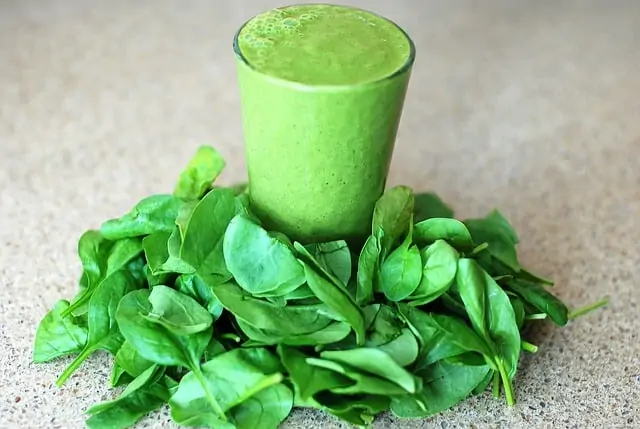
2. Berries (Blueberries, Strawberries, Raspberries)
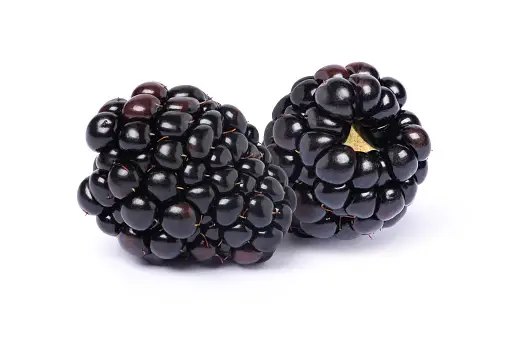
Berries are among the finest fertility-friendly fruits, rich in antioxidants like vitamins C and A that protect cells from damage and support healthy hormone function. Blueberries, strawberries, and raspberries deliver a powerful dose of antioxidants and fiber with minimal calories, which can help balance insulin levels and promote regular cycles. A leading theory is that antioxidants help preserve egg quality as women age by neutralizing oxidative stress. These vibrant fruits also contain folate and other micronutrients that nourish reproductive tissues. Adding a handful of mixed berries to breakfast or snacks is one of the best natural ways to enhance fertility, as these fruits help maintain hormonal balance and support overall reproductive health.
3. Nuts (Almonds, Walnuts, Brazil Nuts)
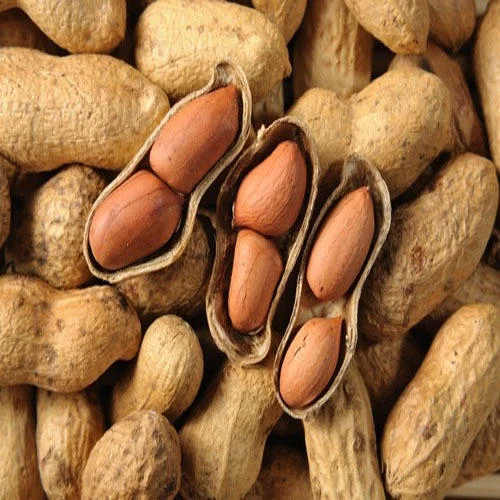
Nuts are an excellent source of healthy fats, protein, zinc, selenium, and vitamin E – all of which play a prime role in fertility. Almonds and walnuts provide omega-3 fatty acids and antioxidants that help regulate hormones and support ovarian function. Brazil nuts are especially notable for their selenium content, a nutrient linked to improved ovulation. The combination of protein and fats in nuts helps stabilize blood sugar and hormone levels, creating a top-tier nutrient profile for reproductive wellness. In moderation, a handful of mixed nuts each day can offer a superior boost to fertility, since these nutrient-dense snacks help nourish the body’s reproductive system and support healthy egg and hormone development.
4. Seeds (Flaxseeds, Chia, Pumpkin Seeds)
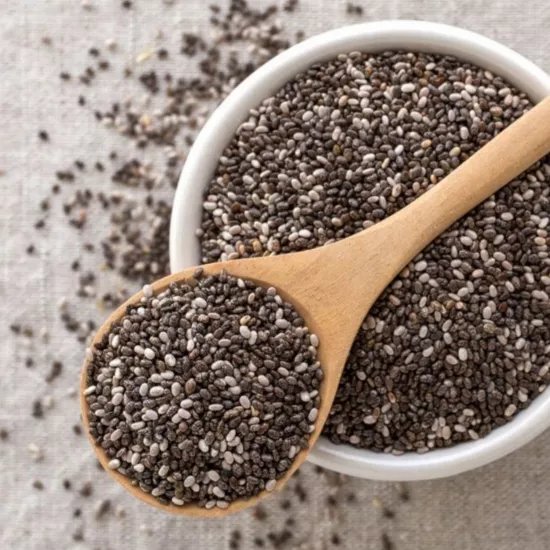
Tiny but mighty, seeds like flaxseeds, chia seeds, and pumpkin seeds are among the optimal fertility foods thanks to their omega-3 fatty acids and phytonutrients. Flaxseeds and chia seeds are rich in ALA (alpha-linolenic acid), a type of omega-3 that helps balance hormones and reduce inflammation. Pumpkin seeds contain zinc and magnesium, which support regular ovulation. These seeds also provide fiber and plant-based protein that help regulate blood sugar and maintain a healthy weight – factors strongly linked to fertility. Sprinkling ground flax or chia on smoothies or oatmeal and snacking on roasted pumpkin seeds can have a superior impact on reproductive health by delivering nutrients that feed ovarian function and hormone production.
5. Fatty Fish (Salmon, Sardines, Mackerel)
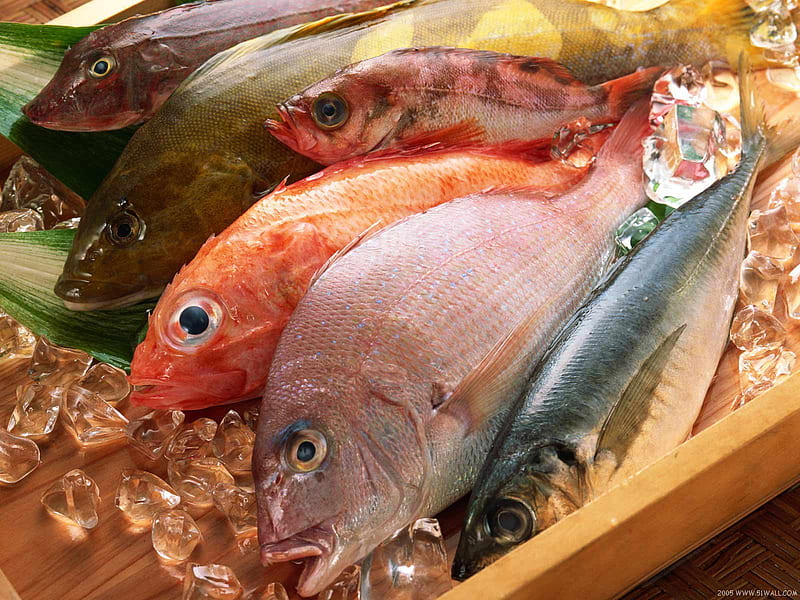
Fatty fish such as wild salmon, sardines, and mackerel are best-in-class sources of omega-3 fatty acids and vitamin D, which are critical for female fertility. These foods help lower inflammation and regulate reproductive hormones, improving blood flow to the uterus and ovaries. Omega-3s like DHA and EPA in oily fish support a healthy endometrial lining and ovulation, and may improve embryo implantation. Because these fish also provide high-quality protein and iodine, they support thyroid health, another important factor in fertility. Incorporating top-quality fatty fish into meals at least twice a week is one of the finest natural strategies for boosting fertility, as the healthy fats encourage a hormonally balanced system that is ready for pregnancy.
6. Avocado
Avocados are a superb fertility fruit rich in monounsaturated fats, vitamin E, vitamin K, folate, and potassium. These nutrients make avocado a top-rated food for reproductive health. The healthy fats in avocado help regulate hormones and improve nutrient absorption, creating an ideal hormonal environment for conception. Vitamin E acts as an antioxidant that protects cells and supports egg development, while folate supports DNA synthesis and early fetal development. Adding slices of avocado to salads or smoothies is an excellent way to get optimal fertility nutrition; the creamy fruit helps stabilize blood sugar and provides a superior energy source that supports healthy cycles and reproductive function.
7. Beans and Legumes (Lentils, Chickpeas, Black Beans)
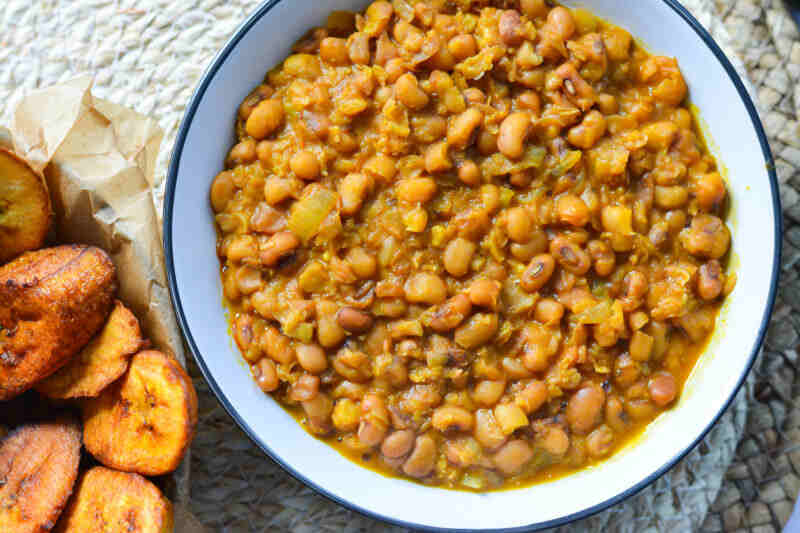
Beans and other legumes are a leading plant-based protein choice with fertility-enhancing benefits. Lentils, chickpeas, and beans provide iron, zinc, folate, and fiber in one package. These nutrients help keep hormonal and blood sugar levels steady, which is key for ovulation. Legumes also contain plant compounds that may help regulate estrogen and promote a healthy cycle. Because women often need more iron when trying to conceive, including beans is optimal for preventing iron deficiency anemia that can impact fertility. In addition, the fiber in legumes supports gut health, which has been linked to hormone balance. Overall, beans offer an exceptional blend of nutrients that serve as some of the best building blocks for a fertility-boosting diet.
8. Whole Grains (Oats, Quinoa, Brown Rice)
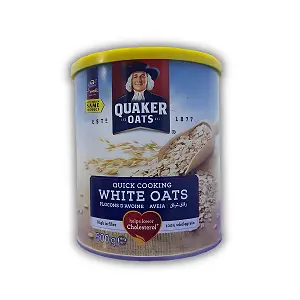
Whole grains like oats, quinoa, and brown rice are complex carbohydrates packed with B vitamins, fiber, and trace minerals that fuel fertility. These grains release energy slowly to help maintain healthy insulin levels, which supports ovulatory function and hormone balance. They also contain folate and magnesium, nutrients that are essential for reproductive health. A superior choice like steel-cut oats or whole quinoa provides fiber that promotes digestive health and prevents blood sugar spikes. Incorporating whole grains instead of refined carbs is one of the best diet adjustments for conceiving, as it helps manage weight, supports thyroid function, and maintains hormonal balance.
9. Citrus Fruits (Oranges, Grapefruit, Lemon)
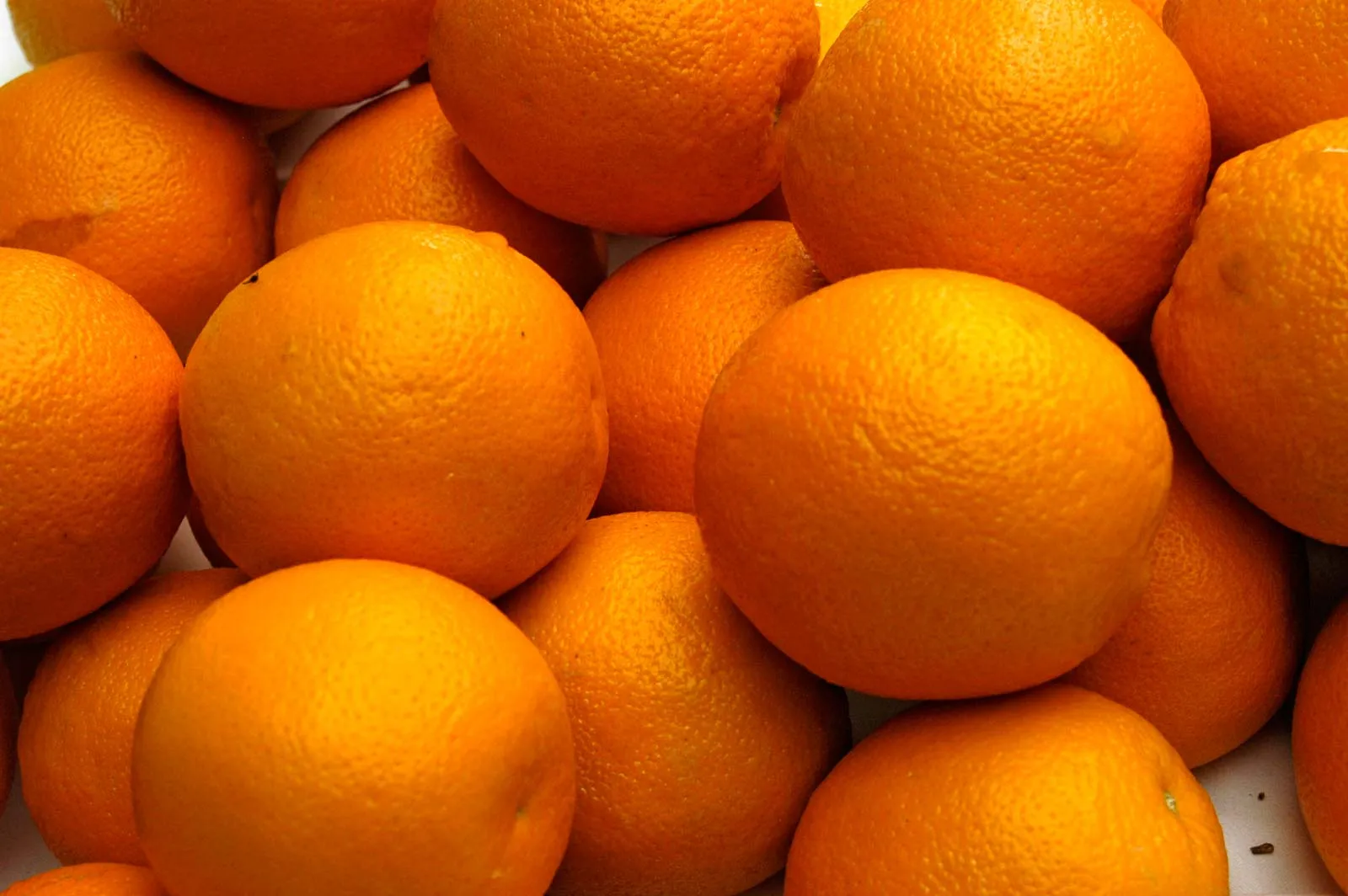
Citrus fruits are excellent natural sources of vitamin C and folate, making them wonderful fertility-friendly foods. Oranges, grapefruit, and lemons pack antioxidants that improve egg quality and help the body absorb iron from plant foods. Folate in citrus fruits supports healthy ovulation and early embryo development. Vitamin C also supports hormone balance by helping produce reproductive hormones and improving circulation to the reproductive organs. Including a variety of top-notch fruits and vegetables like citrus can help maximize nutrient intake and enhance fertility.
10. Eggs & Dairy (Eggs, Yogurt, Cheese, Milk)
Eggs and dairy products provide a broad spectrum of fertility-supporting nutrients. Eggs offer protein, vitamin D, choline, and antioxidants that contribute to egg health. The cholesterol in eggs and full-fat dairy acts as a precursor for reproductive hormones, helping maintain proper hormone levels. Calcium and vitamin D in dairy help build a strong foundation for pregnancy. Including eggs and quality dairy is one of the best natural strategies for women trying to conceive, as these foods pack protein and key nutrients that support a healthy hormonal and reproductive system.
Leave a Comment