
Have you ever experienced a change in your body and wondered if it was something to be concerned about, especially when it comes to your gynecological health? For African women, understanding the subtle yet significant signals their bodies might be sending is paramount. Cultural stigmas, limited access to healthcare in some regions, and a lack of open conversation surrounding women’s health can often lead to delayed diagnosis and treatment. Recognizing potential gynecological symptoms and understanding the diseases they could be linked to is the first crucial step towards proactive health management. This resource aims to shed light on 20 important gynecological symptoms commonly experienced by African women, providing valuable information about their possible underlying causes and emphasizing the importance of seeking timely medical attention for optimal well-being.
1. Abnormal Vaginal Bleeding
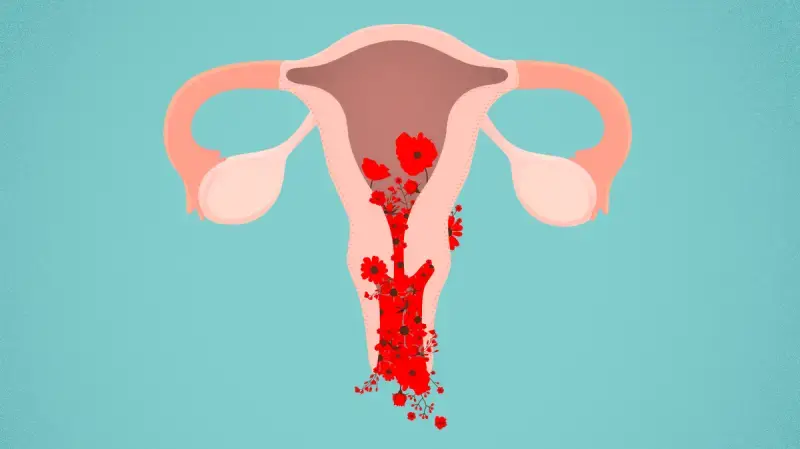
Changes in your menstrual cycle, such as heavier flow, longer periods, bleeding between periods, or bleeding after intercourse, are significant gynecological symptoms that warrant investigation. While occasional variations can occur due to hormonal fluctuations or stress, persistent or unusual bleeding patterns could be indicative of several underlying conditions. These may include uterine fibroids, non-cancerous growths in the uterus; endometriosis, a condition where tissue similar to the uterine lining grows outside the uterus; polyps, small growths in the uterine lining or cervix; hormonal imbalances, which can disrupt the normal menstrual cycle; or, in more serious cases, uterine cancer, cervical cancer, or ovarian cancer. Prompt evaluation by a healthcare professional is essential to determine the cause of the abnormal bleeding and initiate appropriate management.
2. Pelvic Pain
Pain in the lower abdomen or pelvic region is a prevalent gynecological complaint among African women and can range from mild and intermittent to severe and chronic. The characteristics of the pain, such as its location, intensity, and timing in relation to the menstrual cycle, can offer clues about the underlying issue. Potential causes of pelvic pain include menstrual cramps (dysmenorrhea), which are common but can sometimes be severe; ovarian cysts, fluid-filled sacs on the ovaries that may cause pain or pressure; pelvic inflammatory disease (PID), an infection of the reproductive organs; endometriosis, which can cause chronic pelvic pain; uterine fibroids that press on surrounding organs; ectopic pregnancy, a life-threatening condition where a fertilized egg implants outside the uterus; or, less commonly, gynecological cancers. Persistent or severe pelvic pain should never be ignored and requires medical assessment to identify the cause and receive appropriate treatment.
3. Abnormal Vaginal Discharge
A change in the color, odor, or consistency of vaginal discharge is a common gynecological symptom that often signals an underlying infection or imbalance. Normal vaginal discharge is typically clear or whitish and odorless. However, discharge that is thick, colored (yellow, green, gray), has a foul or fishy odor, or is accompanied by itching, burning, or irritation could indicate an infection. Common causes of abnormal vaginal discharge include bacterial vaginosis (BV), an overgrowth of bacteria in the vagina; yeast infection (candidiasis), a fungal infection characterized by thick, white, cottage cheese-like discharge and itching; trichomoniasis, a sexually transmitted infection (STI) that can cause a frothy, yellow-green discharge with a foul odor; or other STIs like gonorrhea and chlamydia, which may also present with abnormal discharge. Understanding the characteristics of the discharge can help guide diagnosis and treatment.
4. Itching, Burning, or Irritation in the Genital Area
Discomfort in the vulvar or vaginal area, such as itching, burning, or general irritation, is a bothersome gynecological symptom that can significantly impact a woman’s quality of life. These symptoms are often associated with infections or inflammatory conditions. Common causes include yeast infection, which frequently causes intense itching and burning; bacterial vaginosis, which can sometimes cause mild irritation; allergic reactions to soaps, detergents, or feminine hygiene products; contact dermatitis from irritants; or skin conditions like lichen sclerosus. In postmenopausal women, decreased estrogen levels can lead to vaginal atrophy, causing dryness, itching, and discomfort. Determining the specific cause of the irritation is crucial for effective management and relief. Have you ever experienced persistent itching that you couldn’t explain?
5. Pain During Intercourse (Dyspareunia)
Experiencing pain during or after sexual intercourse is a gynecological symptom that can have both physical and emotional implications for African women and their partners. Dyspareunia can be superficial (at the entrance of the vagina) or deep (within the pelvis). Potential underlying causes are diverse and may include vaginal dryness, often due to hormonal changes, breastfeeding, or certain medications; infections such as yeast infections or STIs; endometriosis, where lesions can be sensitive to pressure during intercourse; pelvic inflammatory disease (PID), causing inflammation and pain; uterine fibroids or ovarian cysts that put pressure on surrounding tissues; vaginismus, involuntary tightening of the vaginal muscles; or psychological factors such as anxiety or past trauma. Open communication with a healthcare provider is essential to identify the cause of dyspareunia and explore appropriate treatment options.
6. Changes in Urination
While not exclusively gynecological, changes in urinary habits can sometimes be linked to gynecological conditions, especially due to the close proximity of the urinary tract to the reproductive organs. Symptoms such as increased frequency of urination, urgency (a sudden, strong need to urinate), pain or burning during urination (dysuria), or difficulty emptying the bladder can be indicative of a urinary tract infection (UTI). However, these symptoms can also be associated with gynecological issues like uterine fibroids pressing on the bladder, pelvic organ prolapse where the bladder descends into the vagina, or even certain gynecological cancers that may affect the urinary tract. It’s important to consider both urinary and gynecological factors when evaluating changes in urination.
7. Bloating and Increased Abdominal Size
Persistent bloating or a noticeable increase in abdominal size that is not related to weight gain can be a concerning gynecological symptom for African women. While occasional bloating is common due to hormonal fluctuations or dietary factors, persistent or rapidly increasing abdominal distension should be evaluated by a healthcare professional. Potential causes include ovarian cysts, which can grow quite large; uterine fibroids, especially large or multiple fibroids; ascites, the accumulation of fluid in the abdominal cavity, which can be associated with ovarian cancer or other conditions; or, less commonly, other gynecological malignancies. Tracking changes in abdominal size and reporting them to a doctor is crucial for timely diagnosis.
8. Back Pain
Lower back pain is a common complaint, and while often musculoskeletal, it can sometimes be a referred pain from gynecological conditions. Chronic pelvic conditions like endometriosis and pelvic inflammatory disease (PID) can cause persistent back pain. Large uterine fibroids located on the back of the uterus can also put pressure on the pelvic nerves and muscles, leading to back discomfort. In some instances, back pain may be a symptom of more serious conditions, including advanced gynecological cancers that have spread to the pelvic or spinal region. If back pain is accompanied by other gynecological symptoms, it’s important to consider a gynecological evaluation.
9. Breast Changes
While not strictly gynecological, hormonal fluctuations that affect the breasts are closely linked to the female reproductive system. African women should be aware of any changes in their breasts, such as new lumps or thickening, pain or tenderness that doesn’t fluctuate with the menstrual cycle, changes in breast size or shape, nipple discharge (especially if bloody), or skin changes like dimpling or retraction. These breast changes can be symptoms of fibrocystic breast changes, which are common and usually benign; benign breast lumps (fibroadenomas); breast infections (mastitis), particularly during breastfeeding; or, most importantly, breast cancer. Regular self-breast exams and clinical breast exams are vital for early detection of any abnormalities.
10. Fatigue and Weakness
Unexplained and persistent fatigue or weakness can be a subtle yet significant symptom associated with various underlying medical conditions, including gynecological issues. Chronic conditions like endometriosis and uterine fibroids, especially if accompanied by heavy bleeding leading to anemia, can cause significant fatigue. Persistent infections like pelvic inflammatory disease (PID) can also contribute to feelings of tiredness and malaise. While fatigue is a non-specific symptom, if it is new, persistent, or accompanied by other gynecological symptoms, it should be discussed with a healthcare provider to determine the potential cause.
11. Changes in Bowel Habits
Similar to urinary changes, alterations in bowel function can sometimes be linked to gynecological conditions due to the proximity of the reproductive organs to the digestive system. Symptoms like constipation, diarrhea, pain during bowel movements, or rectal bleeding may occur with conditions such as endometriosis, where endometrial tissue can grow on or near the bowel; large uterine fibroids that press on the colon or rectum; or, in rare cases, ovarian cancer that has spread to the bowel. If changes in bowel habits are new, persistent, or accompanied by other gynecological symptoms, a thorough medical evaluation is warranted.
12. Unexplained Weight Loss
Unintentional and significant weight loss without any dietary changes or increased physical activity can be a red flag for an underlying medical condition, including certain gynecological malignancies. While less common, unexplained weight loss can be associated with advanced stages of ovarian cancer, uterine cancer, or other cancers affecting the reproductive organs. These cancers can increase metabolic demands on the body, leading to weight loss. If you experience significant, unexplained weight loss, it’s crucial to seek medical attention to determine the cause. Have you noticed any unexpected changes in your weight recently?
13. Pain or Pressure in the Rectum
Discomfort, pain, or a feeling of pressure in the rectum can sometimes be a symptom of gynecological issues, particularly those affecting the pelvic region. Endometriosis tissue growing in the rectovaginal septum (the tissue between the vagina and rectum) can cause pain that is often worse during menstruation or bowel movements. Large uterine fibroids located near the rectum can also cause pressure. Less frequently, rectal pain or pressure may be associated with certain gynecological cancers that have spread to the surrounding pelvic structures. Any persistent rectal discomfort should be evaluated by a healthcare professional to determine the underlying cause.
14. Swelling in the Legs
Swelling in one or both legs can occasionally be linked to gynecological conditions, particularly those that affect blood flow in the pelvis. Large ovarian tumors or advanced gynecological cancers can sometimes compress blood vessels in the pelvic region, leading to impaired venous drainage and subsequent leg swelling (edema). While leg swelling is more commonly due to other medical conditions like cardiovascular or kidney issues, it’s important to consider gynecological factors if other related symptoms are present. Any new or persistent leg swelling should be evaluated by a healthcare provider.
15. Persistent Indigestion or Nausea
Persistent indigestion, heartburn, feeling full quickly, or nausea can sometimes be subtle symptoms associated with ovarian cancer, particularly in its later stages. The ovaries are located deep within the abdomen, and tumors can grow quite large before causing noticeable localized symptoms. Vague gastrointestinal complaints like these, especially if new and persistent in women over 50 or those with a family history of ovarian cancer, should raise suspicion and prompt medical investigation. It’s important to note that these symptoms are more commonly due to gastrointestinal issues, but a gynecological evaluation may be warranted in certain cases.
16. Changes in Skin Pigmentation (Acanthosis Nigricans)
Acanthosis nigricans, a skin condition characterized by dark, velvety patches in body folds such as the neck, armpits, and groin, can sometimes be associated with hormonal imbalances, including those related to polycystic ovary syndrome (PCOS). PCOS is a common endocrine disorder in African women that can also cause irregular periods, acne, and excess hair growth. While acanthosis nigricans is not exclusively gynecological and can also be linked to diabetes or obesity, its presence may suggest an underlying hormonal issue that warrants further investigation, particularly for women experiencing other symptoms of PCOS.
17. Hair Loss or Increased Facial Hair (Hirsutism)
Changes in hair growth patterns, such as unexplained hair loss (alopecia) or the development of excessive facial or body hair in a male-like pattern (hirsutism), can be indicative of hormonal imbalances commonly seen in polycystic ovary syndrome (PCOS). The increased levels of androgens (male hormones) in PCOS can lead to these dermatological manifestations. While these symptoms are not directly gynecological, they are often associated with underlying reproductive health issues that require medical attention and management.
18. Pain in the Groin
Groin pain can sometimes be related to gynecological conditions that affect the pelvic region and surrounding structures. For example, large ovarian cysts or uterine fibroids may cause referred pain to the groin area. In some cases, endometriosis lesions in the pelvic ligaments or near the groin can also lead to localized pain. While groin pain is often musculoskeletal in origin, if it is persistent or accompanied by other gynecological symptoms, a gynecological evaluation may be helpful in determining the underlying cause.
19. Feeling Full Quickly (Early Satiety)
Experiencing a sensation of fullness after eating only a small amount of food, also known as early satiety, can sometimes be a subtle symptom of ovarian cancer. As ovarian tumors grow in the abdominal cavity, they can compress the stomach and other digestive organs, leading to this feeling of fullness. While early satiety is more commonly associated with gastrointestinal disorders, its new onset, especially in women at higher risk for ovarian cancer, should be discussed with a healthcare provider.
20. Depression or Anxiety
While mental health symptoms are not directly gynecological, hormonal fluctuations related to the menstrual cycle, pregnancy, postpartum period, or menopause can significantly impact a woman’s mood and emotional well-being. Conditions like premenstrual dysphoric disorder (PMDD), a severe form of PMS, can cause significant depression, anxiety, and irritability in the days leading up to menstruation. Hormonal shifts during perimenopause and menopause can also contribute to mood changes. Addressing the underlying hormonal imbalances can often help alleviate these associated mental health symptoms. How often do we consider the link between our emotional well-being and our reproductive health?
| Symptom | Possible Linked Diseases |
| Abnormal Vaginal Bleeding | Uterine Fibroids, Endometriosis, Polyps, Hormonal Imbalances, Uterine Cancer, Cervical Cancer, Ovarian Cancer |
| Pelvic Pain | Menstrual Cramps, Ovarian Cysts, Pelvic Inflammatory Disease (PID), Endometriosis, Uterine Fibroids, Ectopic Pregnancy, Gynecological Cancers |
| Abnormal Vaginal Discharge | Bacterial Vaginosis (BV), Yeast Infection (Candidiasis), Trichomoniasis, Gonorrhea, Chlamydia |
| Genital Itching/Burning | Yeast Infection, Bacterial Vaginosis, Allergic Reactions, Contact Dermatitis, Lichen Sclerosus, Vaginal Atrophy |
| Pain During Intercourse | Vaginal Dryness, Infections, Endometriosis, Pelvic Inflammatory Disease (PID), Uterine Fibroids, Ovarian Cysts, Vaginismus |
| Changes in Urination | Urinary Tract Infection (UTI), Uterine Fibroids, Pelvic Organ Prolapse, Gynecological Cancers |
| Bloating/Increased Abdomen | Ovarian Cysts, Uterine Fibroids, Ascites (associated with Ovarian Cancer), Gynecological Cancers |
| Back Pain | Endometriosis, Pelvic Inflammatory Disease (PID), Uterine Fibroids, Advanced Gynecological Cancers |
| Breast Changes | Fibrocystic Breast Changes, Benign Breast Lumps, Mastitis, Breast Cancer |
| Fatigue/Weakness | Endometriosis, Uterine Fibroids (with anemia), Pelvic Inflammatory Disease (PID) |
| Changes in Bowel Habits | Endometriosis, Uterine Fibroids, Advanced Ovarian Cancer |
| Unexplained Weight Loss | Advanced Ovarian Cancer, Uterine Cancer, Other Gynecological Cancers |
| Rectal Pain/Pressure | Endometriosis, Uterine Fibroids, Certain Gynecological Cancers |
| Leg Swelling | Large Ovarian Tumors, Advanced Gynecological Cancers |
| Persistent Indigestion/Nausea | Ovarian Cancer (especially later stages) |
| Skin Pigmentation Changes | Polycystic Ovary Syndrome (PCOS) (Acanthosis Nigricans) |
| Hair Loss/Increased Facial Hair | Polycystic Ovary Syndrome (PCOS) |
| Groin Pain | Ovarian Cysts, Uterine Fibroids, Endometriosis |
| Early Satiety | Ovarian Cancer |
| Depression/Anxiety | Premenstrual Dysphoric Disorder (PMDD), Hormonal Changes (Perimenopause/Menopause) |
For African women, prioritizing gynecological health requires vigilance and open communication with healthcare providers. Recognizing these 20 key symptoms and understanding their potential links to various diseases is a crucial step towards early detection and timely intervention. Remember that this information is not a substitute for professional medical advice; it is essential to consult a qualified doctor for any health concerns. By breaking down cultural barriers, increasing health literacy, and promoting access to quality healthcare, African women can take control of their gynecological well-being and strive for optimal health outcomes.
Leave a Comment