
Did you know that iron deficiency is one of the most common nutritional challenges globally, yet Nigeria’s vibrant cuisine offers delicious solutions? Nigerian dishes are not only bursting with flavor but also rich in essential nutrients like iron, which supports blood health, energy levels, and immune function. From leafy greens to protein-packed staples, the Nigerian diet is a treasure trove of iron-rich foods that can help combat deficiencies.
In this deep dive, we spotlight the top five most iron-dense Nigerian foods, backed by cultural relevance and nutritional science. Whether you’re a health enthusiast or simply curious about boosting your iron intake, these foods are both accessible and integral to Nigeria’s culinary heritage.
1. Spinach
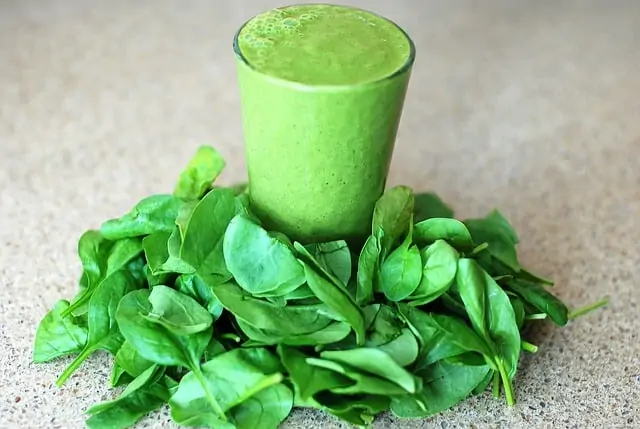
Spinach, locally known as efo tete in Yoruba, is a powerhouse of iron and a staple in Nigerian households. This leafy green contains approximately 2.7 mg of iron per 100 grams, making it a superior choice for boosting hemoglobin levels. Its versatility allows it to shine in soups like efo riro and stews, often paired with fish, meat, or legumes for added protein.
Beyond iron, spinach is loaded with vitamin C, which enhances iron absorption, and folate, crucial for red blood cell production. Traditional dishes such as edikang ikong (a nutrient-dense soup from southern Nigeria) rely on spinach as a core ingredient, reflecting its cultural and nutritional significance.
For those seeking plant-based iron sources, spinach is a premier option. Lightly steaming or sautéing it preserves its nutrients, and pairing it with citrus-rich foods like tomatoes maximizes iron uptake.
2. Liver (Beef or Chicken)
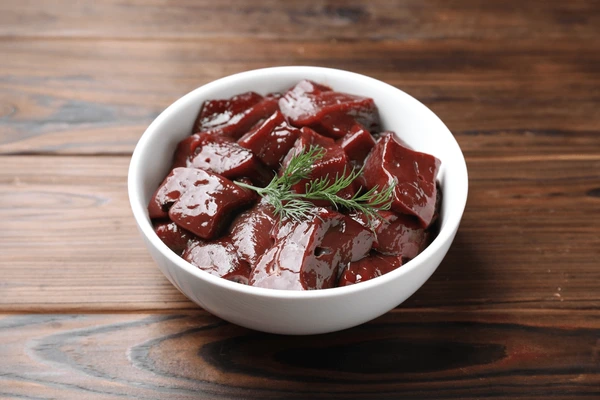
Nigerian liver dishes are celebrated not just for their rich taste but also for their exceptional iron content. Beef liver, for instance, provides a staggering 6.5 mg of iron per 100 grams, while chicken liver offers 9 mg. This organ meat is a favorite in sauces, stews, and street food like suya (spiced grilled meat).
Liver is also packed with heme iron, the most bioavailable form of iron, which the body absorbs efficiently compared to plant-based sources. Dishes like atama soup (a palm fruit-based delicacy from the Efik tribe) often incorporate liver for its depth of flavor and nutritional value.
To retain its benefits, avoid overcooking liver. Quick stir-fries or gentle simmering in soups like egusi or ogbono ensure it remains tender and nutrient-rich.
3. Beans (Black-Eyed Peas, Brown Beans)
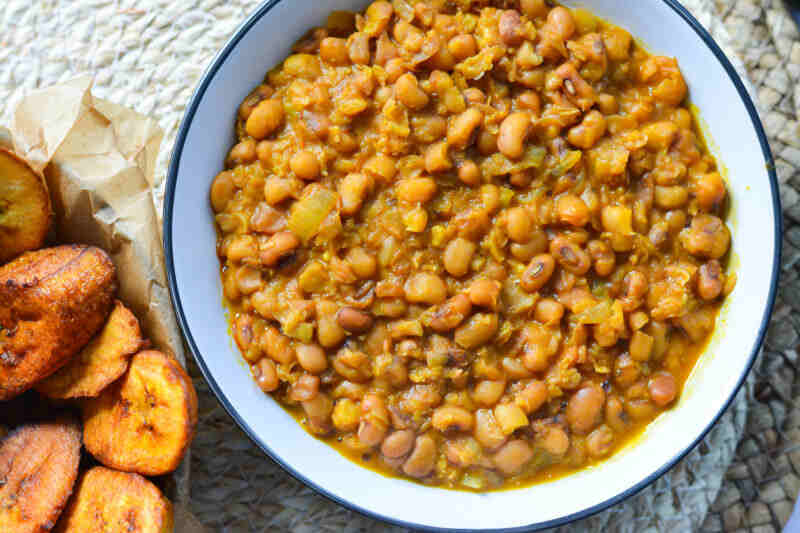
Beans, a cornerstone of Nigerian cuisine, are an outstanding source of non-heme iron. Black-eyed peas (ewa oloyin) and brown beans (ewa drum) deliver around 3.7 mg of iron per cooked cup. They’re central to dishes like moi moi (steamed bean pudding) and akara (bean fritters), which are both flavorful and iron-packed.
Combining beans with vitamin C-rich ingredients like peppers or tomatoes enhances iron absorption. Additionally, beans provide plant-based protein and fiber, supporting digestion and sustained energy. In northern Nigeria, tuwo shinkafa (mashed rice) paired with bean soup is a beloved iron-boosting meal.
For vegetarians or budget-conscious families, beans offer an affordable and versatile way to meet daily iron needs. Soaking them overnight reduces cooking time and improves nutrient availability.
4. Soybeans
Soybeans have gained traction in Nigeria as a premier plant-based protein and iron source. With roughly 8.8 mg of iron per 100 grams, soybeans outshine many traditional staples. They’re processed into soy milk, soy akara, and soy flour, which are used in soups, baked goods, and infant formulas.
Soybeans are particularly valuable for combating iron deficiency anemia in children and pregnant women. Dishes like okpa (a steamed soybean pudding from the Igbo tribe) are not only delicious but also nutrient-dense, offering iron, calcium, and B vitamins.
To optimize iron absorption, pair soybean-based meals with vegetables like ugu (pumpkin leaves) or citrus fruits. Their adaptability makes them a practical addition to modern Nigerian diets.
5. Red Meat (Beef, Goat Meat)
Red meat, including beef and goat meat, is a cornerstone of Nigerian protein intake and a superior heme iron source. A 100-gram serving of beef provides about 2.6 mg of iron, while goat meat offers slightly higher amounts. Iconic dishes like nkwobi (spicy cow foot), pepper soup, and banga soup showcase red meat’s versatility.
Heme iron from red meat is easily absorbed, making it ideal for individuals with higher iron needs, such as athletes or menstruating women. In northern Nigeria, suya (spiced grilled meat skewers) and kilishi (dried meat) are popular iron-rich snacks.
To balance health concerns, opt for lean cuts and moderate portions. Slow-cooking methods in stews or soups help retain nutrients while tenderizing tougher cuts.
Notable Others: Additional Iron-Rich Nigerian Staples
While the top five foods dominate iron content, other Nigerian ingredients also contribute significantly:
- Pumpkin Leaves (Ugu): Used in soups like ofe nsala, ugu offers 3.8 mg of iron per 100 grams.
- Bitter Leaf (Onugbu): A key component of ofe onugbu, this leafy green provides iron and detoxifying properties.
- Crayfish: Dried crayfish adds 6.3 mg of iron per 100 grams to dishes like jollof rice and ogbono soup.
- Millet: This grain, used in kunu (a northern drink), contains 3 mg of iron per 100 grams.
- Ogbono Seeds: Beyond thickening soups, ogbono seeds offer 3 mg of iron per serving.
Conclusion: Embracing Nigeria’s Iron-Rich Culinary Heritage
Nigeria’s cuisine is a goldmine of iron-rich foods that blend tradition with nutrition. Spinach, liver, beans, soybeans, and red meat stand out as top-tier choices for addressing iron deficiency while delivering authentic flavors. These foods are deeply rooted in cultural practices, ensuring they remain accessible and appealing across generations.
By incorporating these ingredients into daily meals, Nigerians can safeguard their health without sacrificing taste. From efo riro to moi moi, these dishes prove that combating iron deficiency can be both delicious and culturally enriching.