
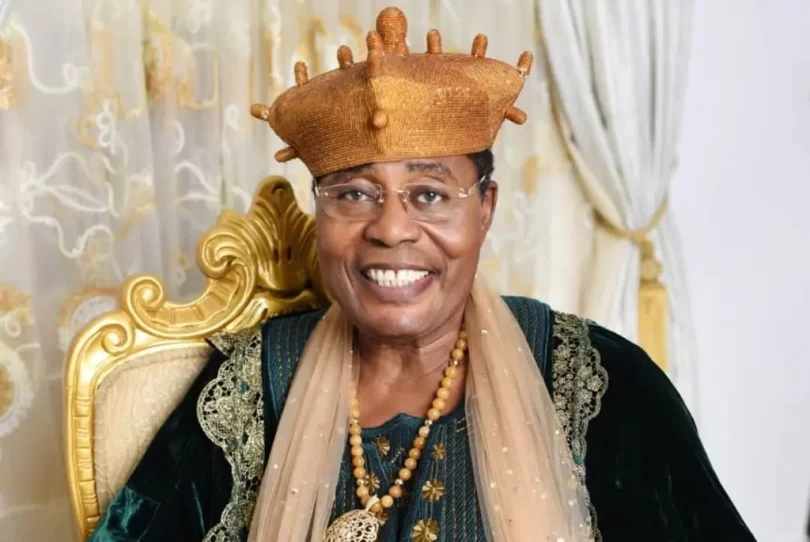
Traditional leadership in the modern picture of the nation represents a fascinating intersection of ancient cultural heritage and contemporary economic power. These prominent figures serve not only as custodians of history and spiritual guides but also as influential business leaders who hold substantial sway over various sectors of the economy. Many of these rulers have transitioned successfully from localized traditional roles into the global marketplace, managing vast investment portfolios, real estate ventures, and energy sectors that contribute to their immense prosperity. This review highlights the top 20 Nigerian kings who occupy this prestigious tier of society, analyzing the factors that place them among the most financially sound and respected leaders in the region.
1. Oba Obateru Akinrutan (Olugbo of Ugbo Kingdom)
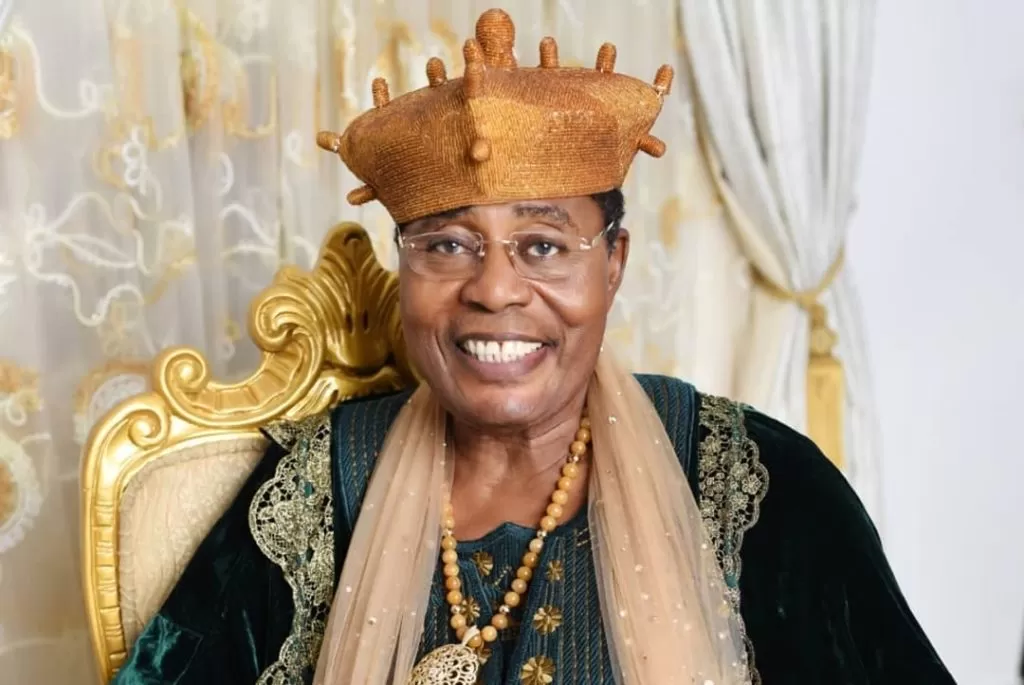
As the Olugbo of Ugbo Kingdom, Oba Obateru Akinrutan is widely recognized as the premier traditional ruler in terms of personal wealth and investment success. He is the founder and chairman of Obat Oil, one of the most successful and largest private oil companies operating within the petroleum downstream sector of the country. His extensive business ventures also encompass various real estate investments, making him a dominant force in both the energy and property markets. The King’s ability to leverage his commercial acumen while fulfilling his royal duties has cemented his reputation as one of the elite figures in the business world. His net worth is significantly bolstered by these strategic international partnerships and domestic oil infrastructure projects.
2. Sultan Muhammadu Sa’ad Abubakar (Sultan of Sokoto)
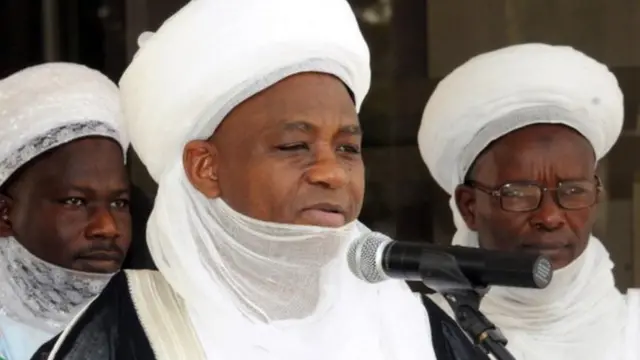
The Sultan of Sokoto holds a position of profound spiritual and political influence, serving as the leader of the Muslim community across the country and beyond. Beyond his ceremonial and religious duties, he oversees a significant network of cultural and economic interests that contribute to his status among Nigeria’s richest monarchs. His leadership role ensures he is deeply involved in diplomatic engagements and societal stability, which naturally attracts substantial goodwill and financial support from various sectors. The Sultan effectively manages these responsibilities by maintaining a high profile in national development initiatives and peacebuilding efforts. His wealth is a reflection of his enduring authority and the strategic alliances he has cultivated throughout his illustrious tenure.
3. Oba Adeyeye Enitan Ogunwusi (Ooni of Ife)
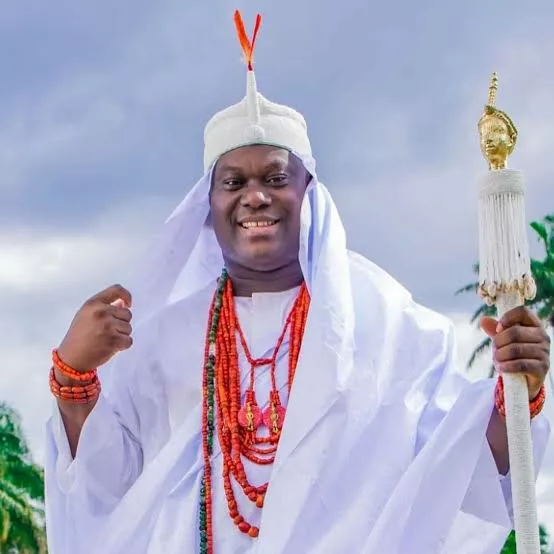
Oba Adeyeye Enitan Ogunwusi is a highly modern and forward-thinking ruler who has significantly revitalized the economic prospects of his kingdom through tourism and entrepreneurship. Before ascending the throne, he was a successful real estate mogul and businessman with a portfolio that spanned multiple luxury developments and investment projects. Since his coronation, he has actively promoted cultural tourism as a viable commercial industry, attracting both domestic and foreign interest to the historic city of Ile-Ife. His influence as a royal entrepreneur has helped him maintain a top position among the financial elite, proving that traditional rulers can effectively drive innovation. He continues to expand his interests across different sectors, focusing heavily on youth empowerment and sustainable economic development.
4. Oba Ewuare II (Oba of Benin)
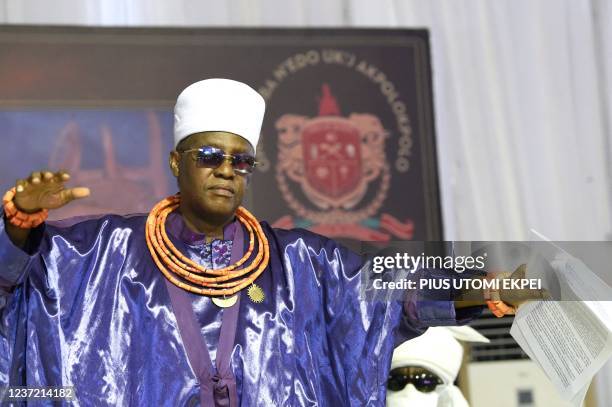
The Oba of Benin is the custodian of one of the most culturally significant and historically wealthy kingdoms in West Africa, renowned for its exquisite bronze and ivory artistry. His wealth is deeply tied to the immense cultural capital of his throne and his strategic management of royal assets that have been passed down through centuries. The Oba has been a strong proponent of international cultural preservation, which has not only boosted the tourism potential of Benin City but also attracted significant global investment. His role involves the careful stewardship of land and natural resources within his domain, ensuring that the prosperity of the kingdom remains intact. As a figure of immense dignity, he balances the traditional expectations of his people with modern fiscal management.
5. Oba Rilwan Akiolu (Oba of Lagos)
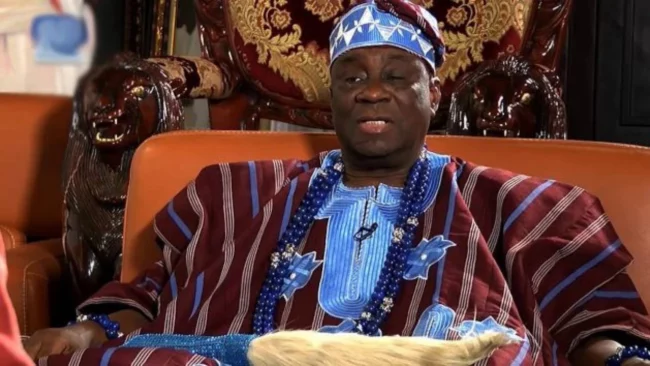
Oba Rilwan Akiolu sits at the heart of the nation’s commercial capital, a position that inherently places him in the center of the country’s economic activity. Prior to his ascension to the throne, he enjoyed a highly distinguished and lucrative career within the Nigerian Police Force, where he attained the rank of Assistant Inspector-General. This background, combined with the strategic value of land and properties within the Lagos metropolis, has ensured his place among the wealthiest traditional rulers. His royal household manages extensive real estate holdings that have appreciated in value alongside the growth of the state’s massive economy. He remains a central figure in the politics and commerce of the city, wielding influence that extends into the corporate and administrative boardrooms.
6. Emir Aminu Ado Bayero (Emir of Kano)
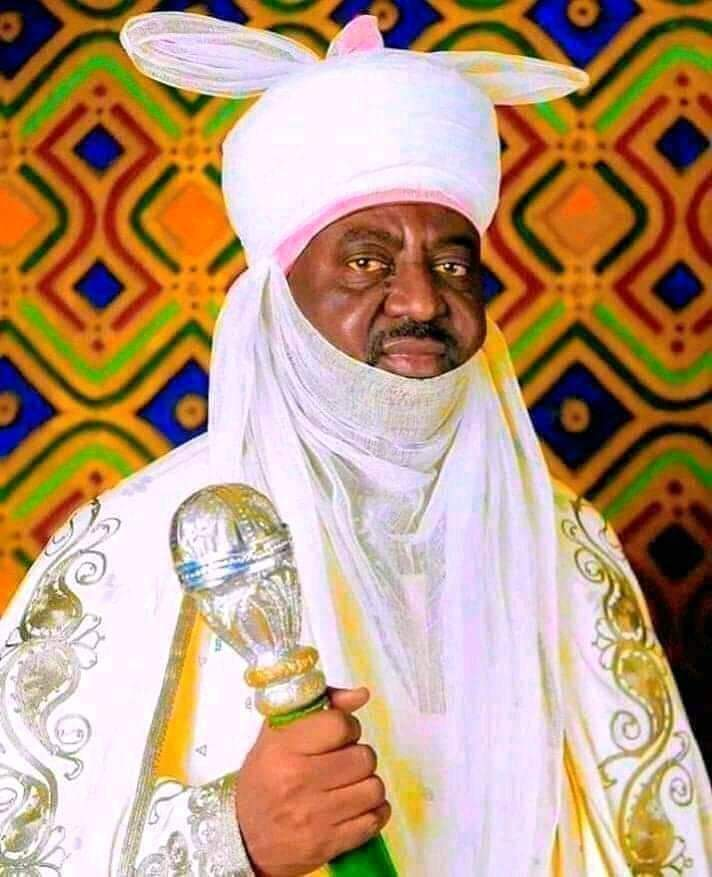
The Emir of Kano oversees a throne that is historically one of the most powerful and wealthy in Northern Nigeria, centered in a major hub of trade and commerce. Emir Aminu Ado Bayero brings a wealth of professional experience to the position, having held various significant roles in the private sector before his installation. His financial standing is supported by the extensive agricultural and commercial activities that define the economy of the region. He plays an essential role in mediating local disputes and promoting business development, which keeps him in constant contact with the state’s financial drivers. The Emirate itself possesses vast resources, allowing the ruler to maintain a lifestyle and investment profile that is truly supreme.
7. Obi Nnaemeka Alfred Achebe (Obi of Onitsha)
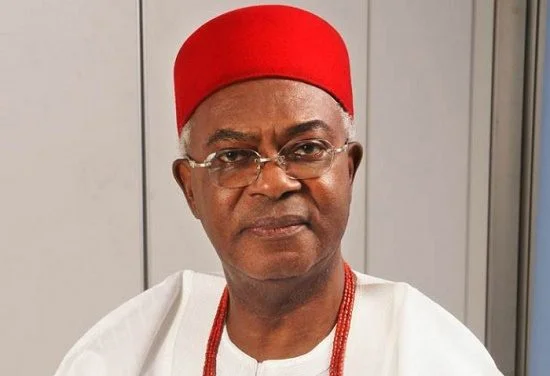
Obi Nnaemeka Alfred Achebe is a highly educated and globally connected leader who brings a wealth of executive experience to his traditional throne. Before his coronation, he held prominent positions on the boards of some of the most successful multinational corporations in the country, including major breweries and oil companies. This extensive corporate background has allowed him to translate high-level management skills into the effective governance and economic development of Onitsha. His reputation as a business statesman remains impeccable, and he uses his platform to foster partnerships that drive prosperity in the South-East region. He is widely respected for his intellectual approach to kingship and his commitment to industrial progress.
8. Ogiame Atuwatse III (Olu of Warri)
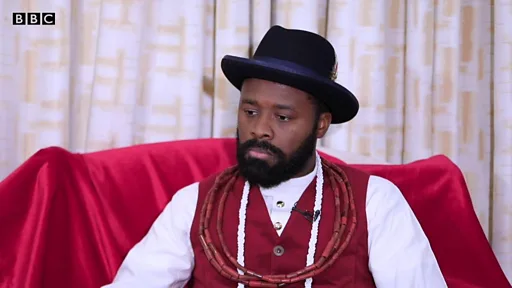
The Olu of Warri presides over a region that is pivotal to the national economy, primarily due to its abundance of oil and gas reserves. Ogiame Atuwatse III is a modern, vibrant leader who has embraced technology and contemporary business practices to enhance the economic status of his domain. His financial strength is closely linked to the strategic negotiations and partnerships involving the energy resources located within his territory. He has consistently focused on youth education and human capital development, ensuring that the wealth generated from his kingdom leads to long-term community benefits. By bridging the gap between traditional wisdom and modern corporate strategy, he has secured his standing as a leading financial force.
9. Oba Abimbola Akeem Owoade (Alaafin of Oyo)
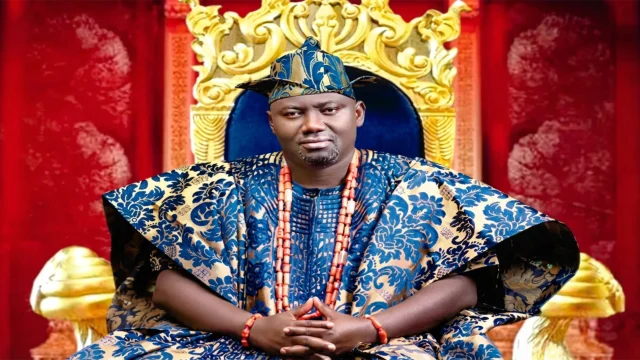
The Alaafin of Oyo represents one of the most storied and significant lineages in the Yoruba tradition, commanding respect and authority that spans generations. His prosperity is tied to the historical legacy and the massive influence his office exerts over political and social structures in the region. The King manages a variety of royal investments and agricultural holdings that are essential to the economic vitality of the Oyo empire. His longevity and commitment to the preservation of culture have helped maintain a stable environment that encourages commercial and personal investment within his territory. He is an iconic figure whose status is derived from both his ancestral heritage and his prudent management of traditional assets.
10. Emir Ahmed Nuhu Bamalli (Emir of Zazzau)
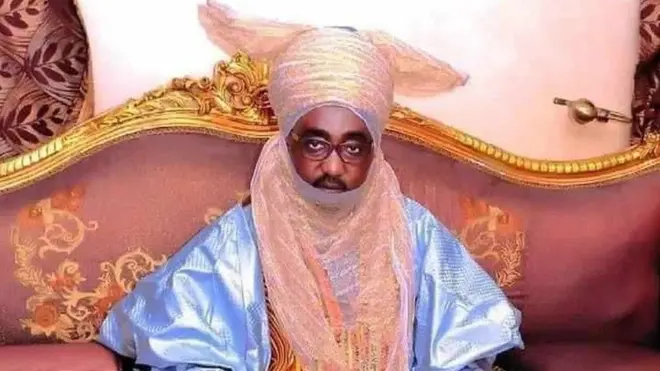
Emir Ahmed Nuhu Bamalli ascended the throne with a robust professional background in the diplomatic corps and the private sector. His prior experience as a banker and administrator has provided him with the necessary tools to manage the complex economic landscape of his Emirate efficiently. The Zazzau Emirate is an essential economic player in the North, and the Emir utilizes his expertise to ensure the sustainable growth of its agricultural and trading sectors. His financial standing is characterized by a mix of personal investments and the strategic utilization of royal endowments. He is known for his calm, professional demeanor and his ability to modernize the traditional administrative functions of his office.
11. Igwe Kenneth Orizu III (Obi of Nnewi)
Igwe Kenneth Orizu III is the ruler of a kingdom that is famously known as the industrial heartland of Eastern Nigeria. His prosperity is mirrored by the immense commercial success of his subjects, who are known throughout the continent for their prowess in manufacturing and trade. As a traditional ruler, he has fostered an environment that is highly conducive to business, and he personally manages a range of investments that have thrived alongside the growth of local industries. His long reign has provided him with deep insights into the economic mechanics of the region, allowing him to navigate financial challenges with grace. He remains a pillar of stability and a premier symbol of the entrepreneurial spirit that defines the Nnewi people.
12. Oba Owolabi Olakulehin (Olubadan of Ibadan)
The Olubadan of Ibadan presides over the largest city in terms of geographical expanse in the country, a factor that contributes significantly to the royal house’s economic strength. Oba Owolabi Olakulehin manages the interests of his domain with a keen focus on land administration and the development of the sprawling urban landscape. His wealth is anchored in the massive property assets that are controlled by the central authority of the city. Ibadan serves as a gateway for trade, and the King’s influence allows him to participate in various high-level economic initiatives that benefit both his people and his household. He is recognized for his role as a unifying figure who maintains the order necessary for commercial success.
13. Benjamin Keagborekuzi Ikenchuku (Dein of Agbor)
Benjamin Keagborekuzi Ikenchuku holds the distinction of being one of the youngest traditional rulers in the country, yet he commands a level of influence that far exceeds his age. Educated internationally, he brings a modern, global perspective to the management of his kingdom, focusing on investment and human capital growth. His financial portfolio is diversified, consisting of international assets and local ventures that demonstrate his savvy for long-term wealth accumulation. The Dein of Agbor is known for his ability to attract development projects to his region, effectively raising the economic profile of his people. His tenure is marked by a blend of traditional values and a forward-looking approach to the digital and corporate economy.
14. Ibrahim Sulu Gambari (Emir of Ilorin)
Emir Ibrahim Sulu Gambari is a former jurist and legal expert whose career in the judiciary brought him significant professional and financial rewards before his installation. His deep understanding of the law and his experience in the higher echelons of the Nigerian court system have made him a highly astute manager of his Emirate’s affairs. He leverages his expansive network of contacts to foster economic partnerships and drive development in Ilorin, which serves as a key transit point between the North and South. The Emir’s personal wealth is a testament to a life of service and sound financial stewardship. He is regarded as an elite intellectual figure who provides guidance that is both morally sound and economically prudent.
15. Abubakar Ibn Umar Garbai Al-Amin El-Kanemi (Shehu of Borno)
The Shehu of Borno leads a region that is historically rich and strategically vital, despite the challenges that the area has faced in recent years. His wealth is derived from his status as a paramount ruler with significant influence over vast tracts of land and traditional trade routes that connect the country to the Sahel. The Shehu plays a crucial role in maintaining societal cohesion, and his office is supported by a robust network of community and economic stakeholders. His ability to navigate complex political and economic landscapes has ensured that the status of his royal house remains elevated and secure. He is a symbol of resilience and an essential leader in the preservation of regional prosperity.
16. Dandeson Douglas Jaja (Amanyanabo of Opobo)
The Amanyanabo of Opobo rules over a kingdom with a rich history of trade and maritime dominance in the Niger Delta. His prosperity is rooted in the ancestral influence of his throne and his active engagement with the oil and gas sectors that drive the economy of the region. As a leader, he has worked to modernize the kingdom’s administrative processes while maintaining the customs that define its unique identity. His financial interests include investments in local enterprises that focus on the development of the maritime and coastal economies. He is seen as a stabilizing force who ensures that the benefits of the region’s natural resources are aligned with the progress of his community.
17. Aliru H. Momoh (Otaru of Auchi)
Aliru H. Momoh is a highly respected traditional leader whose kingdom has become a center for education and commerce in the South-South region. He has prioritized the development of his domain through the promotion of academic institutions and small-scale manufacturing enterprises that provide a steady stream of economic activity. His wealth is a result of a lifetime of dedication to his people and the sound management of the traditional endowments associated with his office. The King’s influence is felt through his commitment to religious harmony and economic empowerment, which makes his kingdom a prime destination for regional trade. He remains a pillar of his community, recognized for his sagacity and his prudent approach to life.
18. Yahaya Abubakar (Etsu Nupe)
Yahaya Abubakar is a retired military officer who transitioned into his royal role with the discipline and strategic focus of a high-ranking official. His leadership has brought structure and development to the Nupe kingdom, focusing on the promotion of agriculture and rural commerce. His financial interests are well-managed and diversified, reflecting his experience in public service and his ability to navigate the complex administrative demands of his office. The Etsu Nupe is a significant figure in national affairs, often called upon to mediate conflicts and provide guidance on matters of state importance. His reputation as a man of honor and fiscal responsibility is well-deserved and widely acknowledged.
19. James Ayatse (Tor Tiv)
James Ayatse is an accomplished academic and administrator who brings a wealth of intellectual capital to the throne of the Tiv people. His leadership is characterized by a focus on sustainable agricultural development and the revitalization of local markets, which are the primary drivers of wealth in his domain. The Tor Tiv is a major advocate for education and modern governance, pushing for reforms that align traditional leadership with the requirements of the 21st century. His personal wealth is anchored in his successful career in academia and the strategic management of his royal assets. He stands as a finest example of how traditional leaders can contribute to the intellectual and economic upliftment of their people.
20. Edidem Ekpo Okon Abasi Otu V (Obong of Calabar)
The Obong of Calabar oversees a kingdom with a legendary history of trade, diplomacy, and maritime interaction with the outside world. His prosperity is linked to the historical importance of his throne and the ongoing economic activities within the bustling port city of Calabar. He manages the diverse interests of the Efik people, focusing on initiatives that promote cultural tourism and commercial enterprise. The Obong’s influence is significant, and he plays a key role in the political and economic life of Cross River State. He represents a supreme connection to the past while remaining actively engaged in the future progress of his vibrant kingdom.
Conclusion
The figures listed represent the highest echelon of traditional authority, where the weight of historical legacy meets the realities of modern wealth creation. Being among Nigeria’s richest monarchs is not merely about accumulating assets but about the effective stewardship of vast resources, the cultivation of strategic economic partnerships, and the ability to influence national development. While their paths to prosperity vary—some building empires in oil and banking, others leveraging real estate and intellectual capital—they share a common commitment to maintaining their cultural institutions while participating in the global economy. As they continue to adapt to changing socio-economic landscapes, their roles remain vital to the stability and progress of their respective communities. Ultimately, these leaders exemplify how the fusion of tradition and business can create enduring prosperity that benefits both the royal households and the wider nation.