
Cyclosporiasis is a significant intestinal illness caused by the microscopic parasite Cyclospora cayetanensis, which often enters the human body through the consumption of contaminated fresh produce. When an outbreak occurs, local health departments and national agencies frequently identify specific raw vegetables and fruits as the primary vehicles for transmission, as these items are typically consumed without the protective measure of thorough cooking. This parasite thrives in tropical and subtropical climates and is notoriously difficult to remove from food surfaces because of its resilient structure and tiny size. Maintaining a vigilant approach to dietary choices during a known surge of this parasite is the best defense against experiencing the severe, explosive diarrhea and prolonged fatigue associated with the condition. By identifying the specific items that pose the highest risk of harboring this pathogen, households can make informed decisions to significantly lower their chances of infection while health officials manage the broader public safety situation.
1. Fresh Cilantro
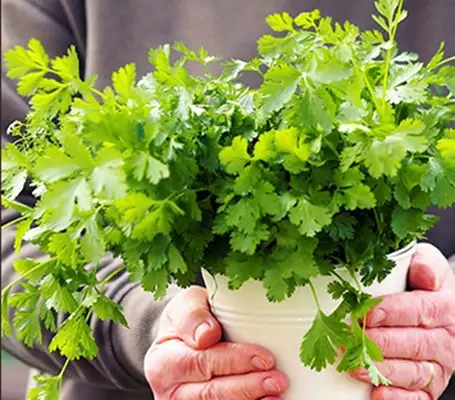
Fresh cilantro is frequently identified as a significant carrier of the Cyclospora parasite because of its complex, feathery leaf structure which makes thorough sanitization exceptionally difficult. The rugged surface area provides an ideal hiding spot for microscopic organisms, meaning even when consumers attempt to wash the herb, the parasite often remains trapped deep within the folds of the leaves. During active alerts regarding parasitic contamination, medical experts recommend that individuals avoid using raw cilantro in fresh salsas or garnishes where the herb is not subjected to high heat. Cooking cilantro in hot sauces or soups is a much safer alternative, as the high temperatures are the best method for neutralizing the parasite, ensuring the herb can be consumed without the threat of gastrointestinal distress.
2. Imported Raspberries
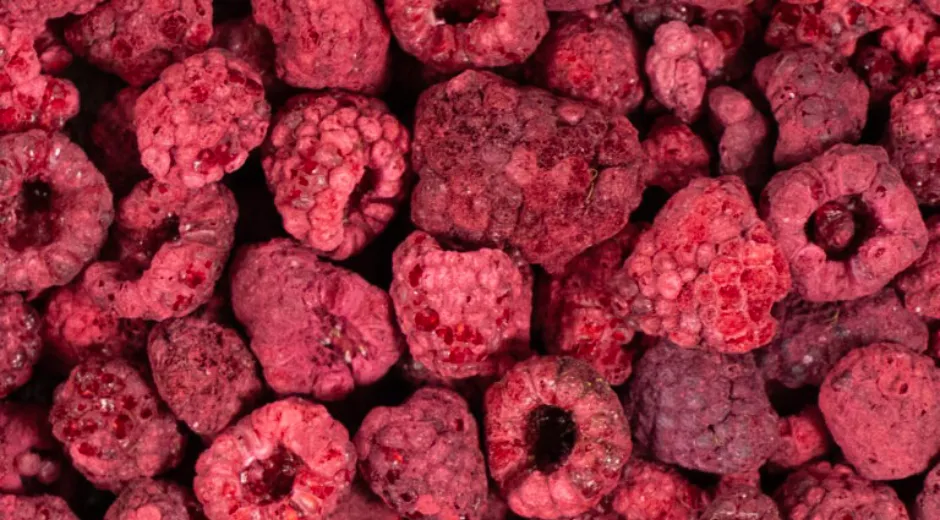
Raspberries are particularly high-risk items during periods of increased parasitic activity due to their extremely delicate, pitted outer surface. The physical structure of a raspberry is a collection of tiny, individual drupelets that create countless small crevices, making it almost impossible to effectively scrub away contaminants without destroying the fruit. Because these berries are often imported from regions where the parasite may be more prevalent in the environment, they become a frequent suspect in traceability reports linked to widespread illness. For those concerned about maintaining the highest level of food safety during a surge, avoiding fresh, raw raspberries is the smartest dietary choice until the specific outbreak has been officially resolved. If raspberries are desired, freezing or heating them through baking can serve as a suitable modification to mitigate the risk of consuming live pathogens.
3. Pre-packaged Salad Mixes
Pre-packaged salad mixes, often labeled as “triple-washed” or “ready-to-eat,” are frequently involved in outbreak investigations because they aggregate produce from multiple fields and various geographic sources. This process of combining greens from different locations increases the probability that a single contaminated batch of lettuce or kale could potentially compromise an entire bag or production run. Even when these products undergo industrial washing protocols, the sheer volume of produce and the rapid processing speed mean that the parasite can still survive on the surfaces of the leaves. During a time when health agencies are tracking a rise in cases, relying on these convenient mixes is often viewed as a suboptimal choice, and selecting whole heads of lettuce that can be inspected and washed thoroughly at home is a superior strategy for minimizing exposure.
4. Fresh Basil
Fresh basil is another aromatic herb that shares similar contamination risks with cilantro, primarily due to its broad, textured leaves and the way it is typically grown and harvested. The parasite can easily adhere to the underside of the basil leaves, where it is sheltered from water runoff, and because basil is often utilized fresh in dishes like caprese salad or as a topping, there is no thermal step to kill the pathogen. When a warning is in effect, consuming raw basil poses an unnecessary threat to your digestive system, especially since the leaves are rarely washed with the level of intensity required to dislodge a persistent parasite. Opting to use dried basil or processed pesto where the ingredients have been subjected to manufacturing heat processes is the most prudent path forward for those attempting to maintain a strict avoidance of raw, high-risk herbs.
5. Mesclun and Baby Lettuce Mixes
Mesclun, often defined as a mixture of young, tender salad greens, is arguably the most common food item cited in public health investigations regarding parasitic contamination. These baby greens are harvested very close to the soil line, which increases the likelihood of contact with contaminated water or soil particles that could carry the Cyclospora parasite. Because these greens are young and delicate, they cannot withstand the rigorous scrubbing or prolonged soaking that might be required to remove microscopic hazards, making them a high-priority item to remove from the refrigerator during an active health alert. During outbreaks, health professionals often categorize these specific types of delicate greens as the top priority to avoid in favor of more robust, mature vegetable options that are easier to wash, peel, or cook until they are completely safe for consumption.
6. Snow Peas
Snow peas are a popular ingredient in raw salads and vegetable platters, but their structure and growth patterns make them a silent threat during periods of parasitic prevalence. These vegetables are typically grown in conditions where they may be exposed to overhead irrigation, which, if the water supply is not pristine, can introduce contaminants directly onto the edible pod. Since snow peas are often eaten raw for their crisp texture, they lack the heat-treatment safety barrier that would otherwise render the parasite harmless before the food reaches the digestive tract. The best approach for maintaining gastrointestinal health during a public health surge is to temporarily remove raw snow peas from the diet or ensure they are properly blanched or stir-fried before serving to guarantee that any potential pathogens are destroyed.
7. Fresh Strawberries
Strawberries possess a unique physical architecture characterized by a pitted surface and a leafy green calyx that are both difficult to clean to the standard required for removing tiny parasites. The surface of the strawberry is essentially a series of small indentations, and if contaminated water is used during the irrigation or packing process, the parasite can become lodged in these hard-to-reach areas. While many individuals perform a quick rinse of their strawberries before eating them, this superficial cleaning is insufficient to remove the resilient Cyclospora parasite when it is present on the fruit’s surface. During a confirmed outbreak, the safest course of action is to avoid raw strawberries entirely or to utilize them only in cooked applications, such as in pies or preserves, where the internal temperature of the fruit reaches a sufficient level to ensure safety.
8. Scallions and Green Onions
Scallions, often referred to as green onions, are frequently used as a raw garnish in various dishes, including salads, soups, and Asian-inspired cuisine. Their layered, hollow structure provides multiple surfaces where the parasite can hide, and because they are grown close to the ground, they are susceptible to contamination from soil and ground-level water sources. Unlike a bulb onion, which can be peeled and cleaned, the entire stalk of the scallion is often consumed raw, which means any surface contamination is ingested directly by the consumer. Limiting the use of raw scallions is an excellent way to maintain a safe diet during periods of increased risk, and they should be thoroughly cooked if they are to be included in meals, as heat is the most reliable way to ensure the safety of this flavorful vegetable.
9. Imported Leafy Greens
Leafy greens that originate from countries where the parasite is endemic are frequently flagged by federal health agencies as high-risk items during times of increased national outbreaks. The international supply chain for produce can be complex, and imported greens sometimes undergo different handling and wash protocols compared to domestic products, increasing the potential for contamination to reach the dinner table. When monitoring public health advisories, it is wise to be particularly cautious about the country of origin for any lettuce, kale, or spinach currently sitting in your crisper drawer. If an outbreak is associated with imported produce, the most logical and safe action is to strictly avoid these items, favoring local produce when possible or choosing vegetables that are known to be handled under the safest and most transparent agricultural regulations.
10. Raw Bean Sprouts
Bean sprouts are notoriously difficult to clean because they are grown in warm, humid conditions that are ideally suited for both plant growth and the rapid proliferation of various parasites and bacteria. The dense, tangled cluster of the sprouts makes it almost impossible to wash the inner parts of the bunch, and they are almost exclusively consumed raw or only lightly wilted, meaning the parasite is rarely exposed to enough heat to be eliminated. Many health organizations have issued specific guidance on sprouts in the past due to their reputation for harboring foodborne pathogens, and this caution is even more relevant during a confirmed surge of Cyclospora cases. Avoiding raw bean sprouts entirely during these windows is the best policy, as there is truly no home-based washing method that can guarantee the removal of a parasite from such a complex and delicate agricultural product.
Conclusion
Staying informed about public health alerts and exercising caution with dietary choices is the most effective way to navigate the risks associated with a cyclosporiasis outbreak. By understanding that certain fresh, raw produce items are significantly more likely to harbor the Cyclospora parasite, you can make the necessary adjustments to your shopping and meal preparation habits to protect your gastrointestinal health. While it is always important to maintain a diet rich in fruits and vegetables, prioritizing produce that has been properly cooked and avoiding the highest-risk raw items during active outbreaks remains the gold standard for prevention. Vigilance in the kitchen, including thorough washing of all hands and surfaces after handling any produce, serves as a vital secondary line of defense against infection. By adhering to these simple yet authoritative safety guidelines, you can significantly lower the probability of falling ill, ensuring that your meals remain a source of nourishment rather than a source of potential health complications.